 Kuulo
KuuloA language-services provider gained a route into healthcare through the patient record
A healthcare integration moved interpretation notes into the patient record and retrieved patient language to support interpreter matching.
Project outcome
Interpretation notes reach the chart, and patient language can be retrieved to match the right interpreter.
Investment
$300k
First working milestone
First reviewable milestone inside 6 weeks
Delivery
Integration about 2 months; first site pilot about 4 months
Status
Piloted across 5 hospital systems
Reach
Patients whose interpreted session is written into their chart
A language-services provider can deliver an interpretation session and still be blocked from healthcare if the result cannot enter the patient record.
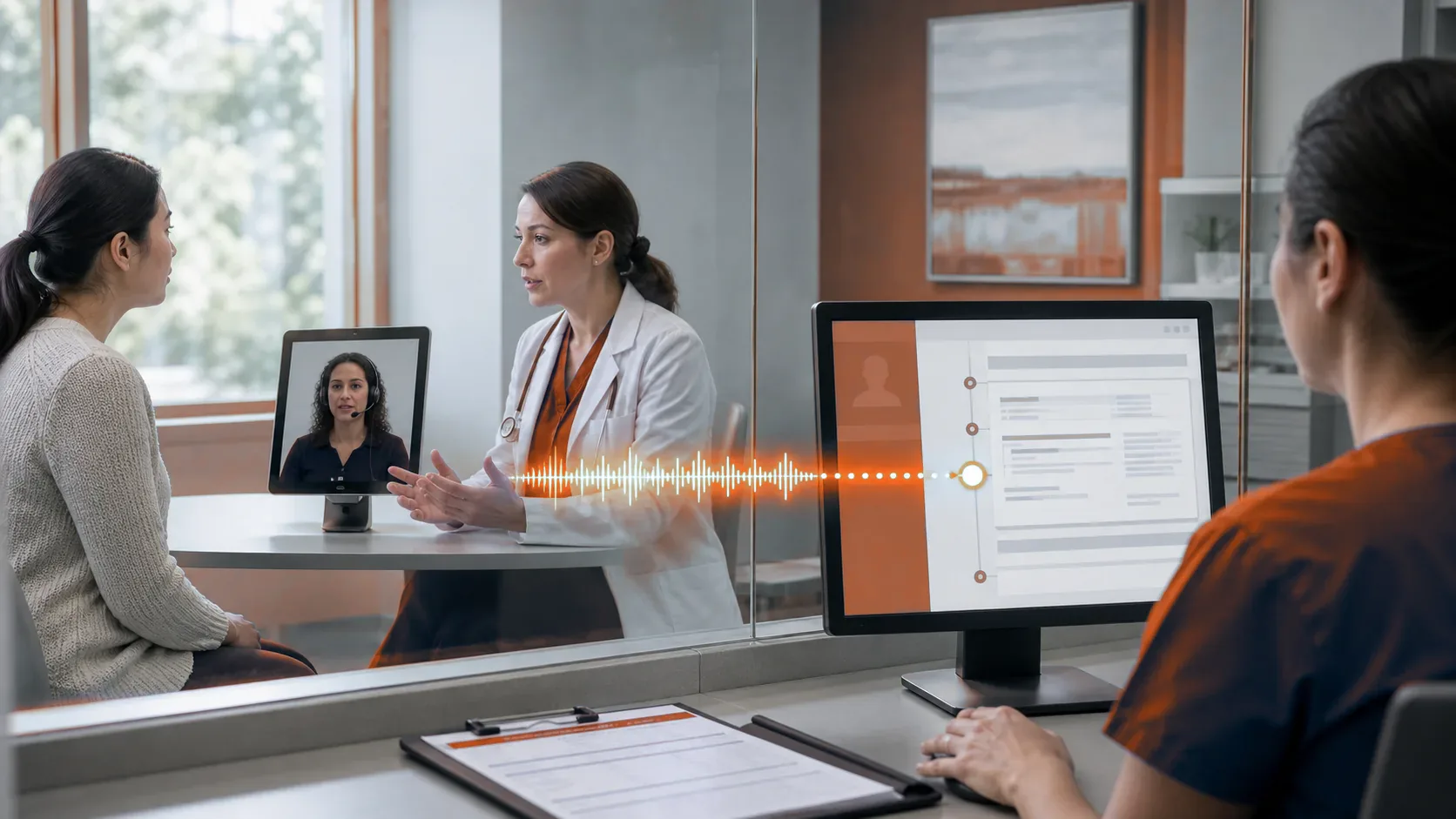
This project connected an existing interpretation workflow to hospital patient records. Session notes can reach the chart used by the care team, and recorded patient language can support interpreter matching before the session starts. The provider gained a credible route into healthcare without replacing the platform that already ran its service.
Project brief
The provider already had professional interpreters and an interpretation platform. The missing piece was a structured route into the hospital workflow. Notes left in a separate interpretation system could be difficult for care teams to find, and patient language was not available early enough in the matching process.
The integration was piloted across five hospital systems. The first reviewable milestone arrived inside six weeks. The project was designed for healthcare environments where identity, permissions, data boundaries and the receiving system's rules matter as much as the API connection.
What we delivered
- A FHIR integration for structured healthcare record exchange.
- Session-note delivery into the patient's hospital record.
- Patient-language retrieval for interpreter matching.
- A connection to the provider's existing interpretation platform.
- A multi-environment pilot across five hospital systems.
- A reviewable path from the interpretation session to the record used by hospital care teams.
What changed
An interpreted session can now leave a usable record in the same place as the rest of the encounter. The hospital team does not have to rely on a separate inbox or ask the provider to reconstruct the session later.
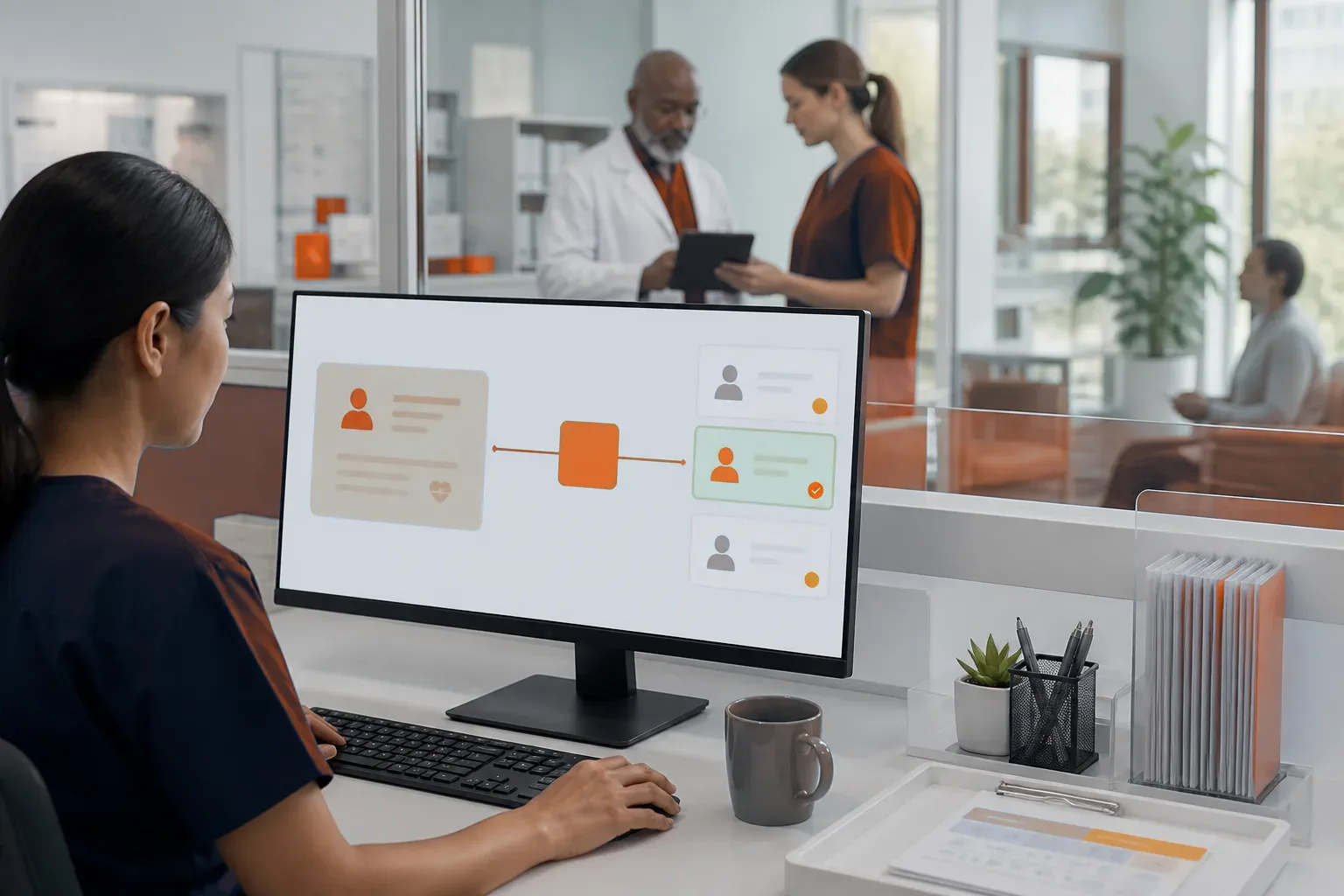
The matching workflow can retrieve the patient's recorded language before assignment. That makes the service more useful to hospital providers because the relevant context can arrive before the interaction instead of being found manually at the last moment.
The commercial result is market access. The provider moved from a service that sat outside the healthcare workflow to one that could fit the record and matching process hospitals already use.
Engineering detail
FHIR is a standard way for healthcare systems to exchange structured records. The important design choice was not the acronym. It was preserving the boundary of the patient record while adding a reliable route for interpretation information to cross into it.
The existing interpretation platform remained in place. That avoided replacing a working operating model merely to solve the connection problem. The integration was built to work across multiple hospital environments rather than succeeding only against one clean demonstration system.
The session note is information in the clinical record, not an automatic care decision. Patient language supports the matching workflow, but a responsible person still checks suitability, availability and the details of the request.
The project in one sentence
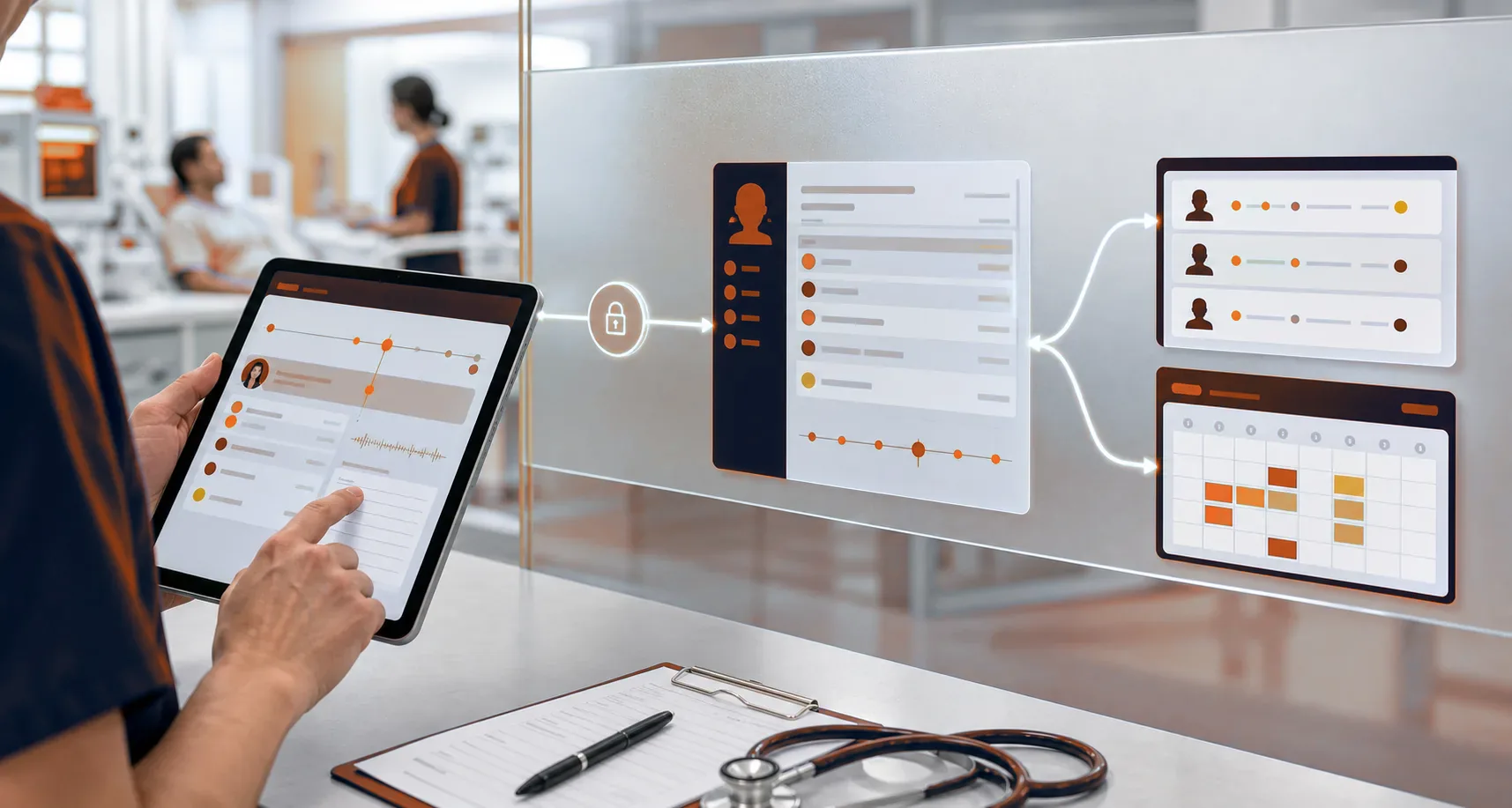
The integration turned a blocked healthcare entry point into a connected language service by moving session notes into the patient record and patient language into interpreter matching.