Kuulo
KuuloSuccess stories
What changed after the system went live.
Real delivery stories about the work that was slow, scattered, stuck or difficult to prove, and the operational result that followed.
Looking for the full systems behind the outcomes? Browse flagship projects.
One customer tab replaces the hunt across inboxes, CRM tools and spreadsheets
A flexible CRM turned fragmented customer work into one structured workflow, with tested daily processes moving from hours to minutes.
Tested daily CRM workflows moved from hours to minutes, while the live platform continued serving thousands of businesses.
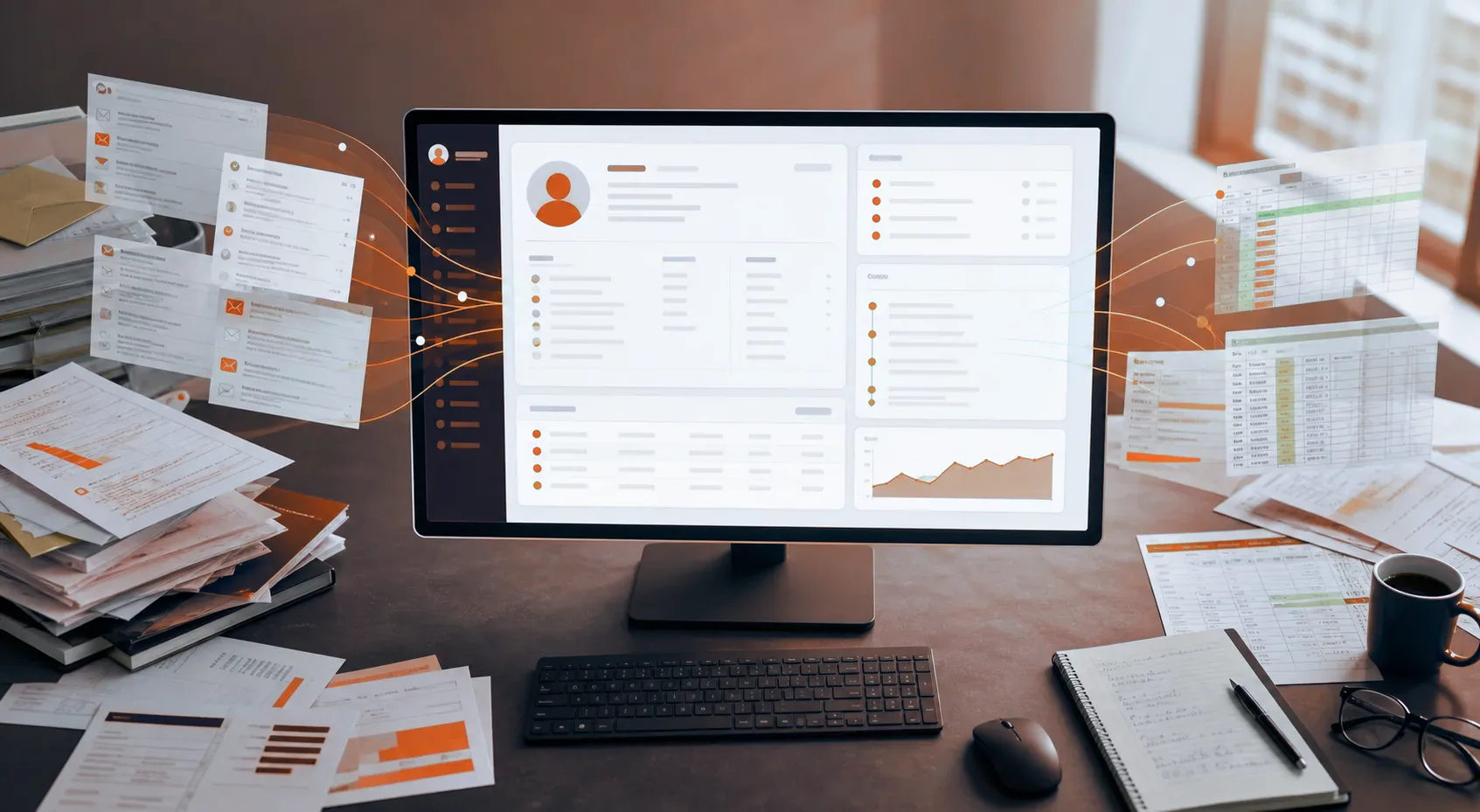
Messy daily CRM work falls from hours to minutes
A workflow-first CRM removed repeated searching, copying and checking, moving tested daily customer processes from hours to minutes.
Tested daily CRM workflows moved from hours to minutes while the live product continued serving thousands of businesses.
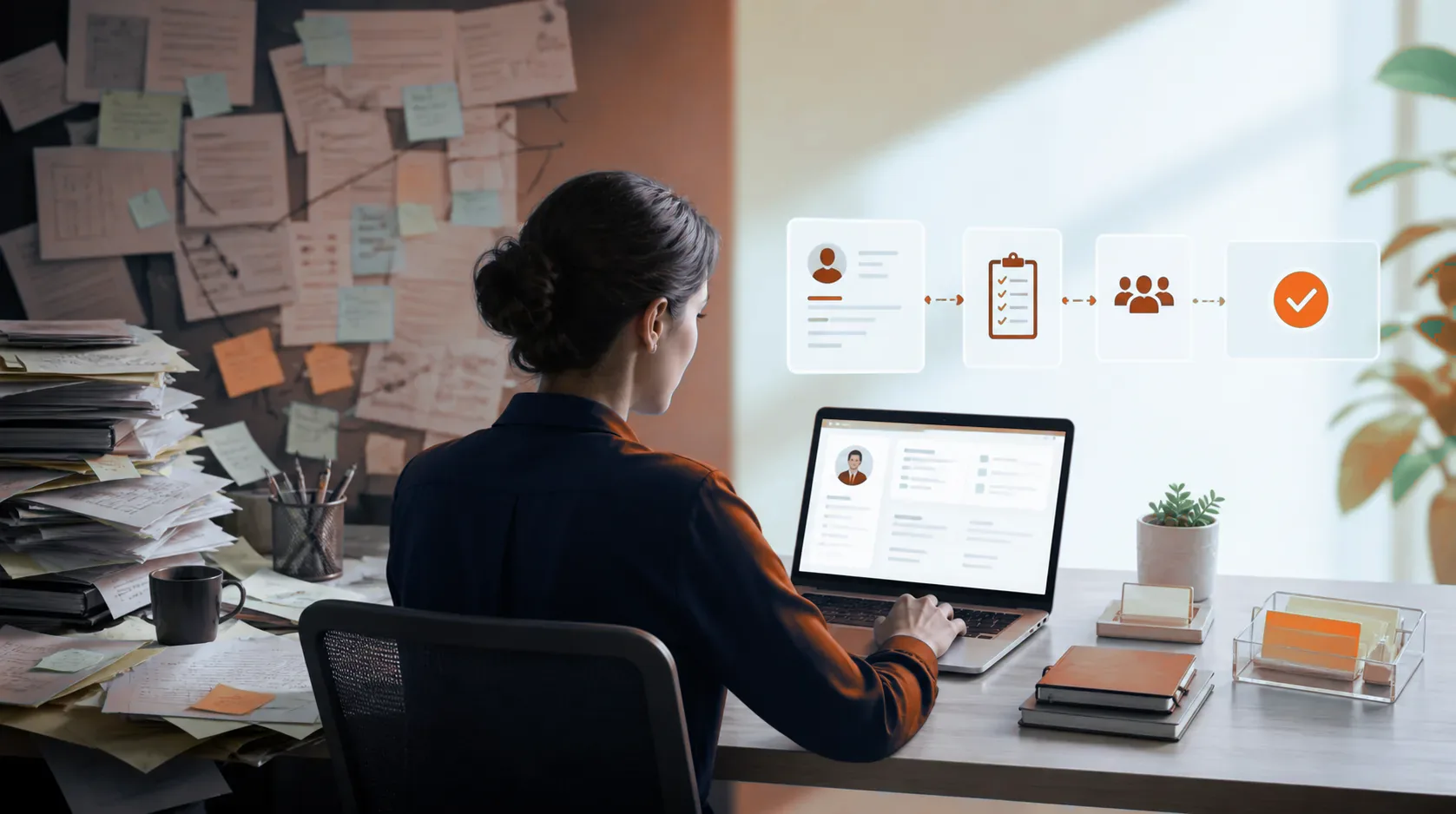
A stalled health platform starts serving patients in four months
An inherited digital health platform moved from a stuck build to live patient use in four months, with the remaining compliance work completed inside the next two.
The platform began serving patients in four months, followed by the remaining compliance work inside the next two months.
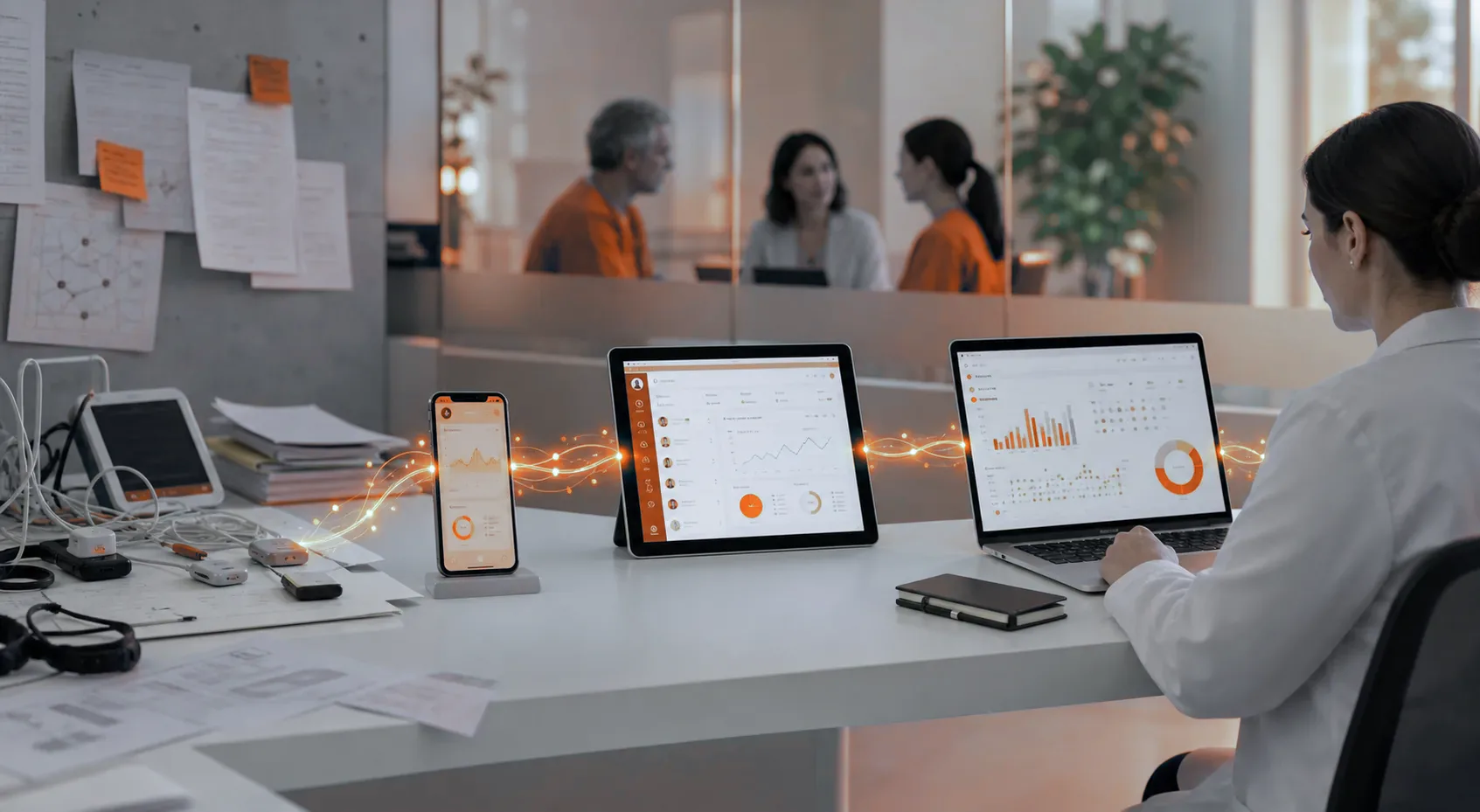
Clinical write-ups drop from two hours to fifteen minutes
A bounded report-generation workflow gave more than fifty clinicians a structured draft in about fifteen minutes instead of roughly two hours.
The report-generation component reduced a clinical write-up from about two hours to about fifteen minutes for more than fifty clinicians.
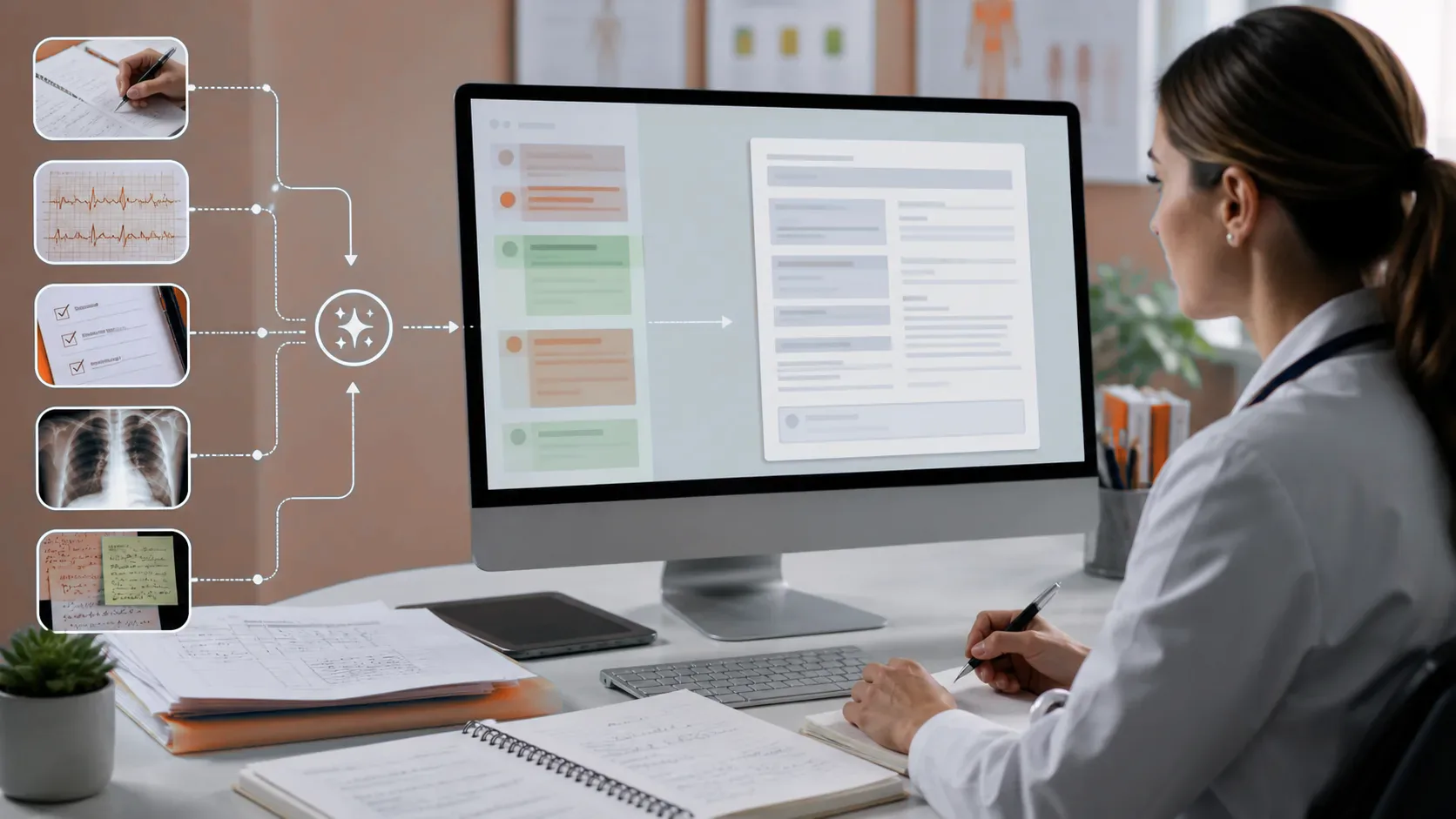
Patient engagement reaches eleven times the 30-day digital-health benchmark
A connected patient and clinician service reached 30-day retention eleven times the digital-health industry average of 3 to 4 percent.
30-day retention reached eleven times the digital-health industry average of 3 to 4 percent.
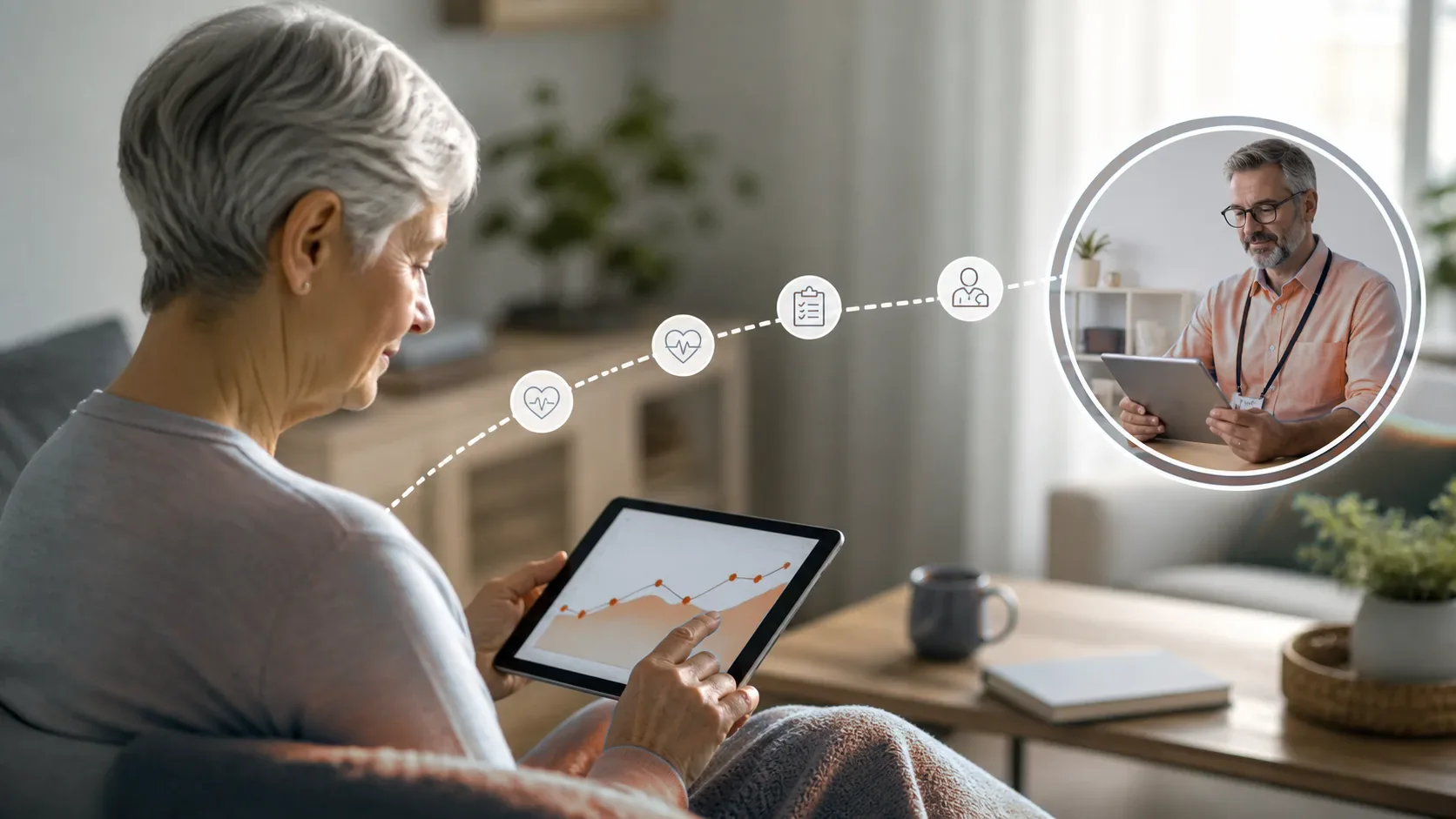
Patients and clinicians work from one connected service
A connected care workflow turned short patient updates into a pre-visit trend view clinicians could review in seconds instead of reconstructing for at least thirty minutes.
Clinicians can generate a pre-visit summary in one click and review recent trends in seconds instead of spending at least thirty minutes reconstructing the week.
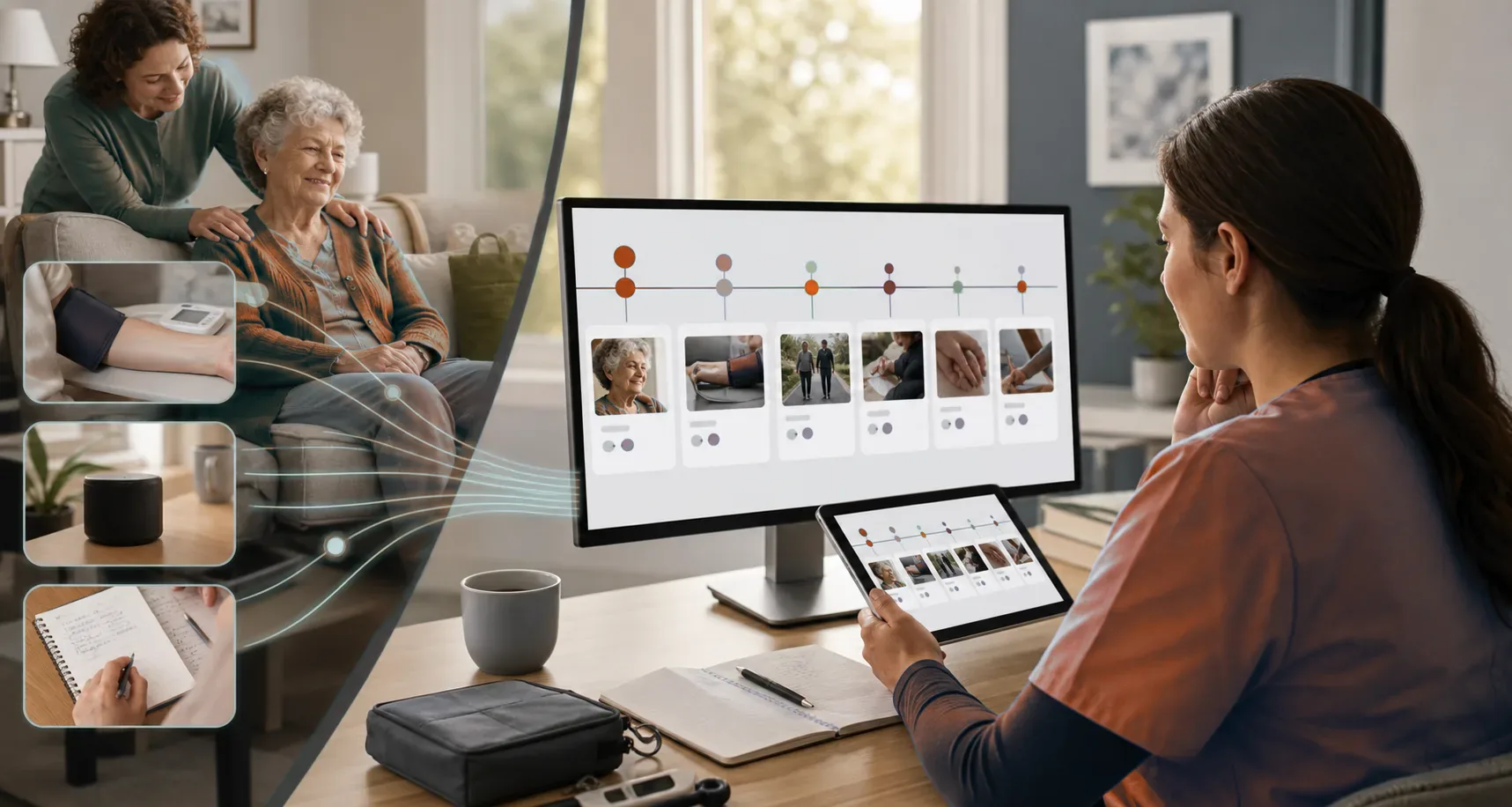
Compliance moves with the product so the service can enter live care
A stalled digital health platform reached patient use in four months while its security, privacy and clinical safety evidence was delivered alongside the build.
The platform began serving patients in four months, with the remaining compliance work completed inside the next two months.
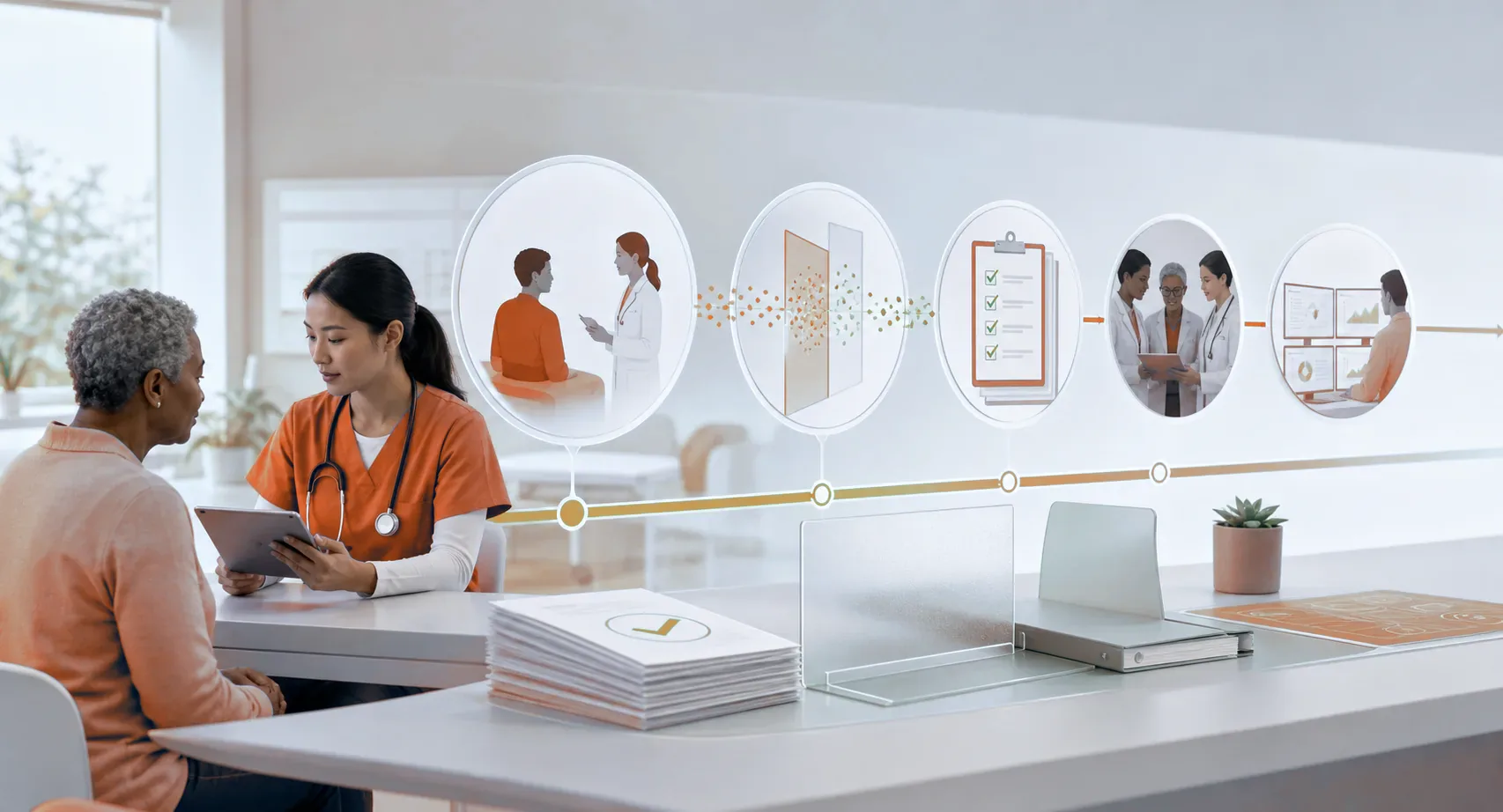
A language-services provider gains a route into healthcare through the patient record
A patient-record integration turned a blocked healthcare entry point into a service edge for a language-services provider.
Interpretation notes can reach the patient's record, while recorded patient language can support interpreter matching.
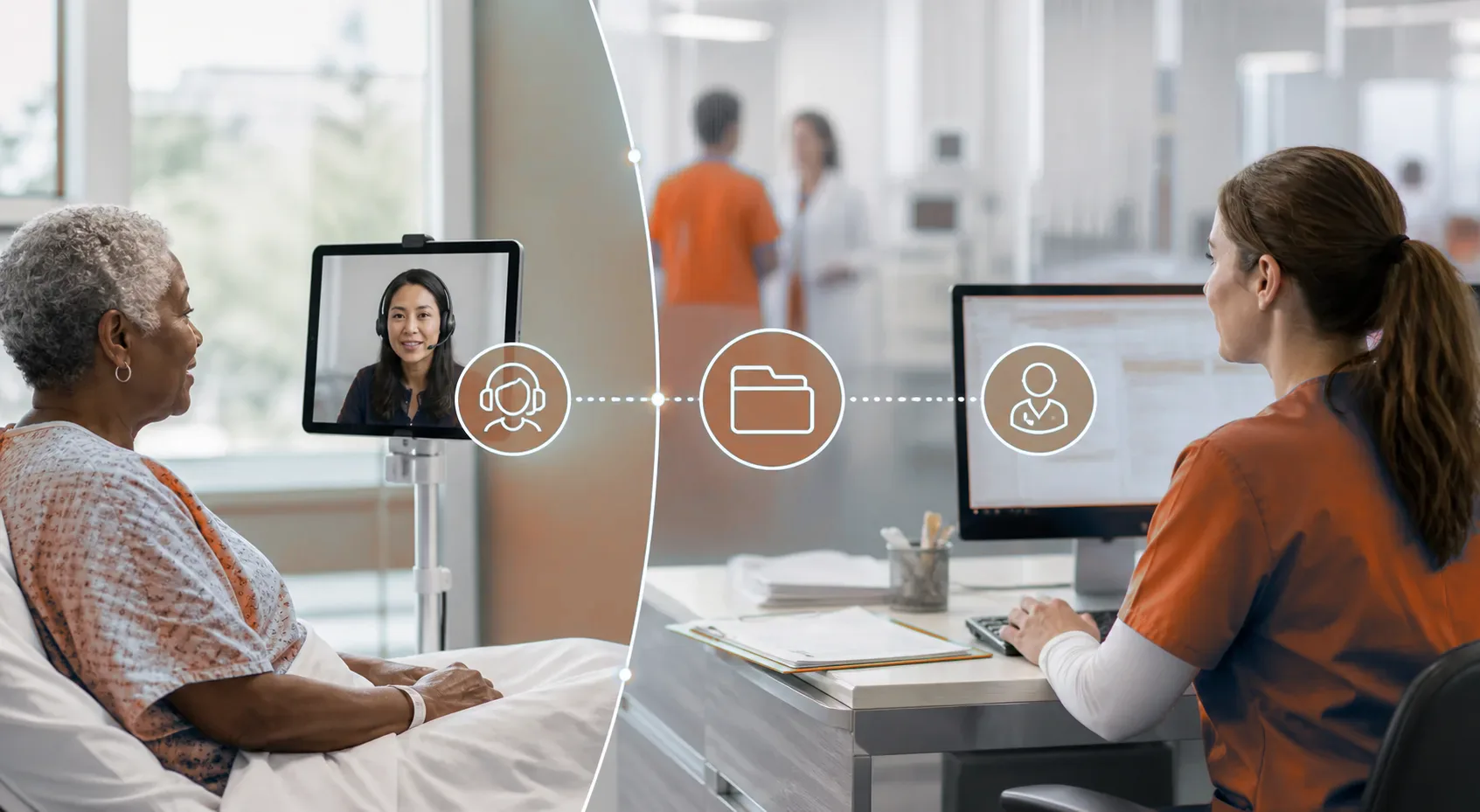
Hospitals receive interpretation notes in the chart, not a separate inbox
A structured healthcare integration moved interpretation notes from a separate service into the patient record used by hospital care teams.
Interpretation notes can be written into the patient's record through an integration piloted across five hospital systems.
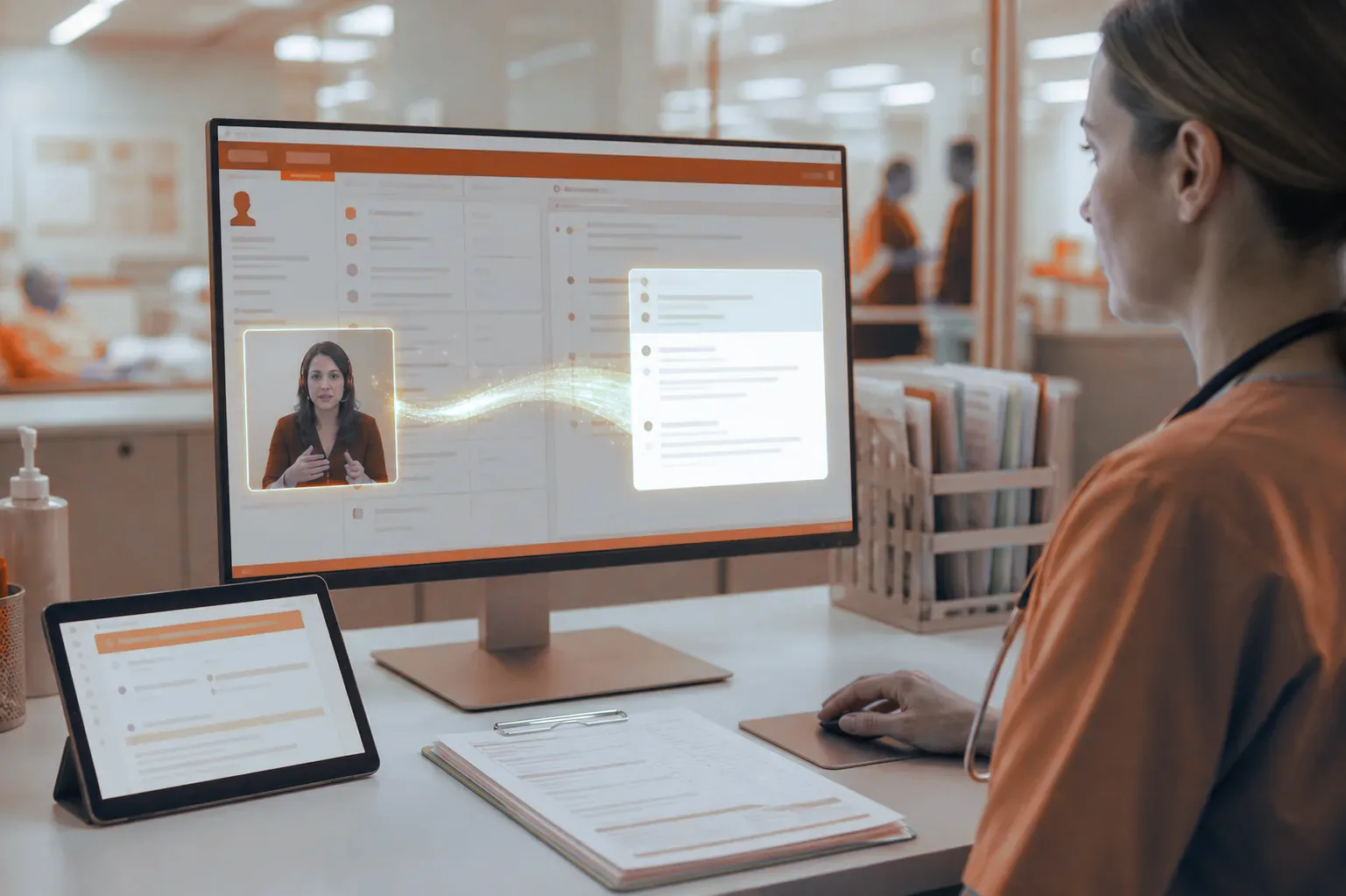
Patient language reaches interpreter matching before the session starts
A patient-record integration retrieved recorded language to support interpreter matching and reduce manual searching before the session.
Patient language can be retrieved for interpreter matching, while the completed session note can return to the patient's record.

A closed patient-record boundary becomes a competitive edge
A language-services provider kept its existing platform while gaining the patient-record connection hospitals required.
The provider gained a route into healthcare through a patient-record connection piloted across five hospital systems.
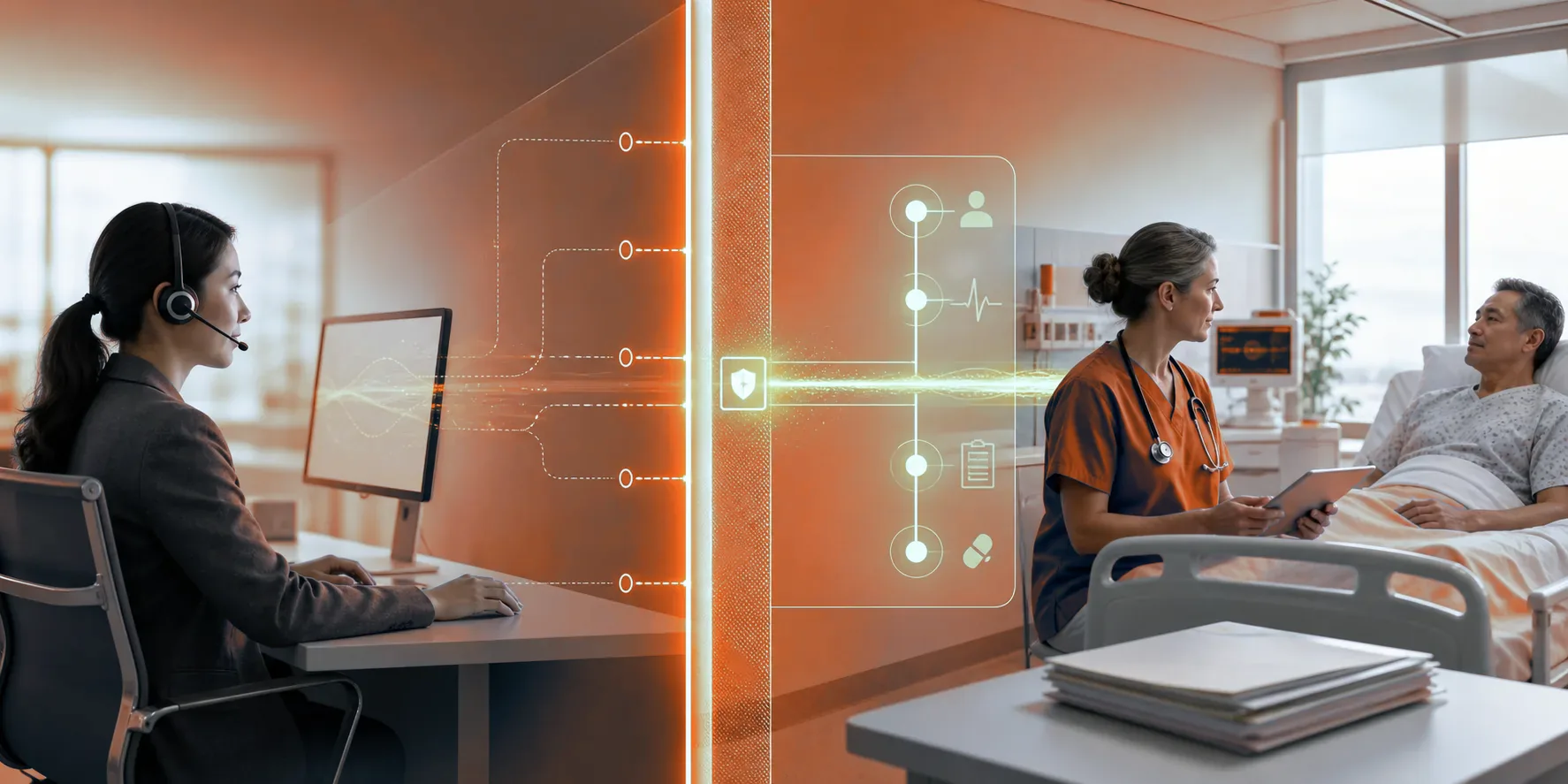
Teams automate follow-up without waiting for a developer
Plain-language workflow automation lets process owners improve routine CRM work inside the right customer records and permissions.
Process owners can describe routine follow-up, assignment and record actions in plain language without sending every improvement to a developer queue.
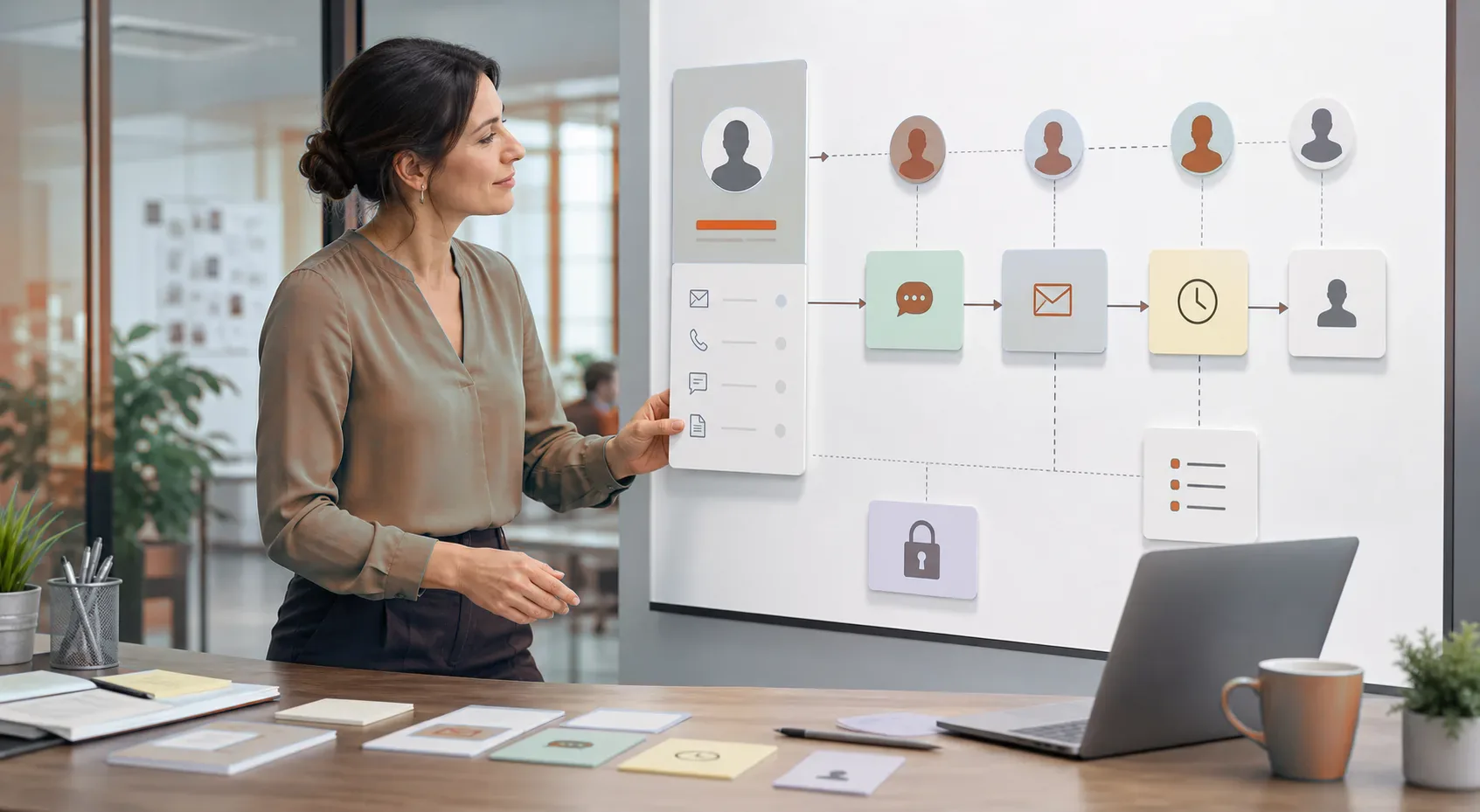
A CRM changes shape as the customer's workflow grows
Custom objects and fields let customers mould a live CRM around changing work without losing structured search, permissions or automation.
Customers can add the objects, fields and relationships their workflow requires while continuing to use one structured CRM workspace.
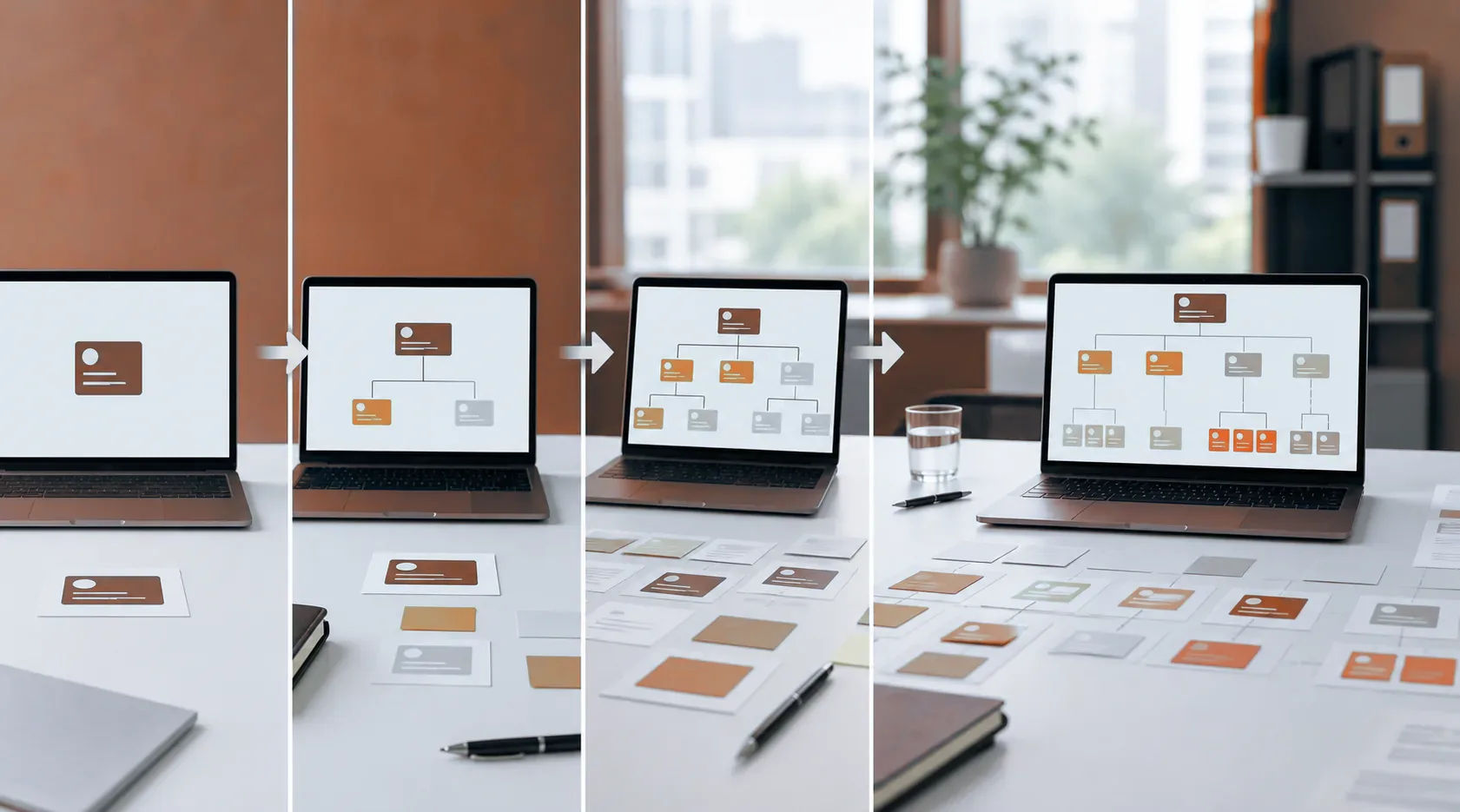
A growing CRM serves thousands without losing structure
A multi-customer CRM preserves workspace separation, flexible records and governed automation while serving thousands of businesses every working day.
Thousands of small and medium businesses use the live CRM every working day, with each workspace able to adapt to its own workflow.

One admin portal governs interpretation devices across every site
A central administration portal connected devices, accounts, permissions and states around a live healthcare interpretation service.
Administrators can govern interpretation devices, accounts, permissions and states from one operational portal.
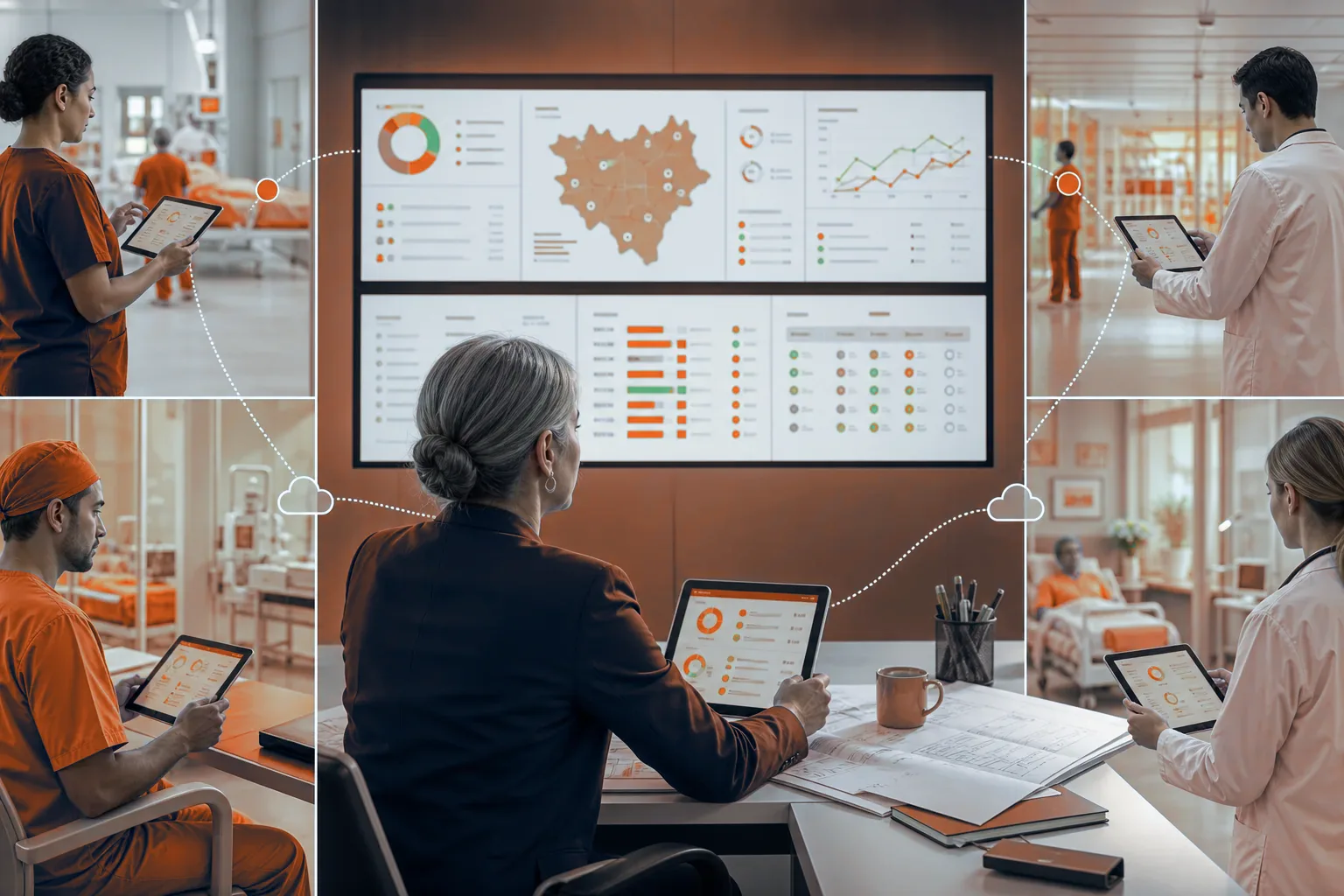
Admins configure tablets across states without site-by-site firefighting
A structured device-management portal made different tablet configurations and states manageable across a distributed US operation.
Central administrators can manage tablet configuration, account context and device state across different US states.
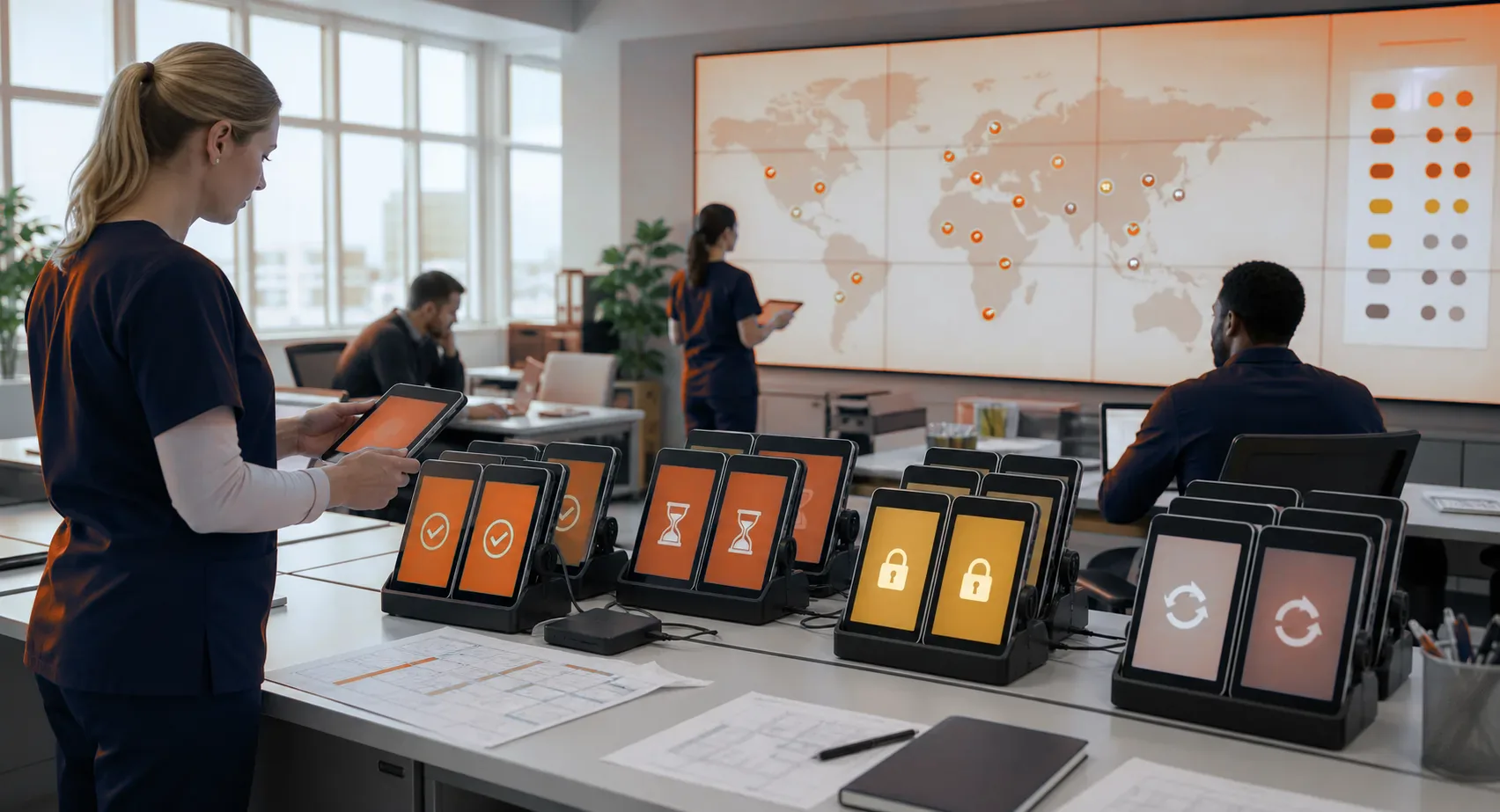
A no-downtime interpretation service protects the call when a patient cannot wait
Connected device, account and call governance supported the strict no-downtime requirement behind a patient-facing interpretation service.
The interpretation service is operated against a strict no-downtime requirement because a failed call can put patient care at risk.

Every interpretation call carries the record needed for billing and control
Call logging connected interpretation delivery to device context, operational follow-up and invoicing support.
Call records support operational control and invoicing across an interpretation service handling hundreds of calls a day.
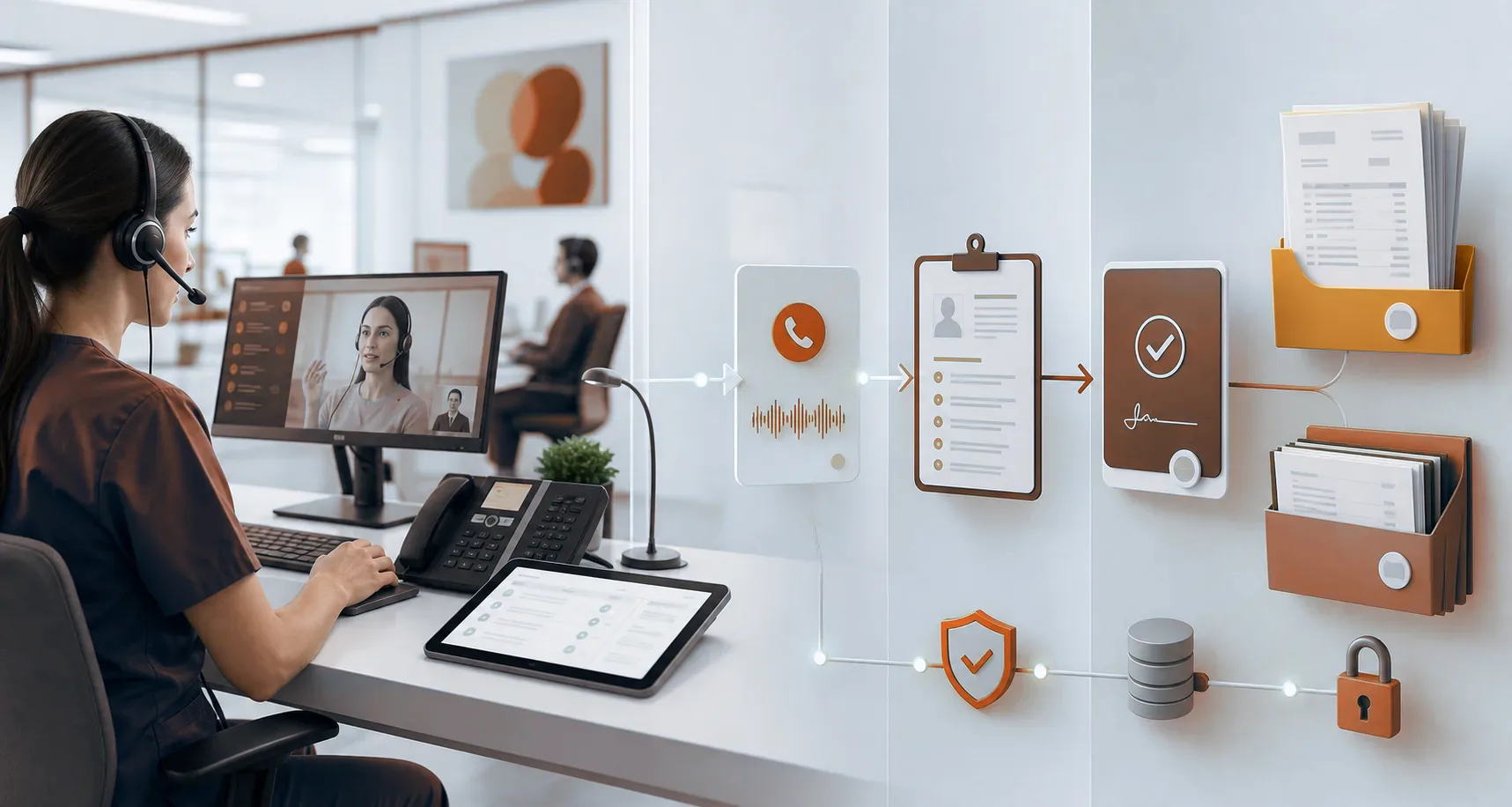
Investment teams can defend every conclusion after the research is finished
A replayable research workspace keeps the question, method, evidence, model settings and caveats behind each investment conclusion.
Every conclusion can be reviewed and replayed from the execution record in which it was produced.
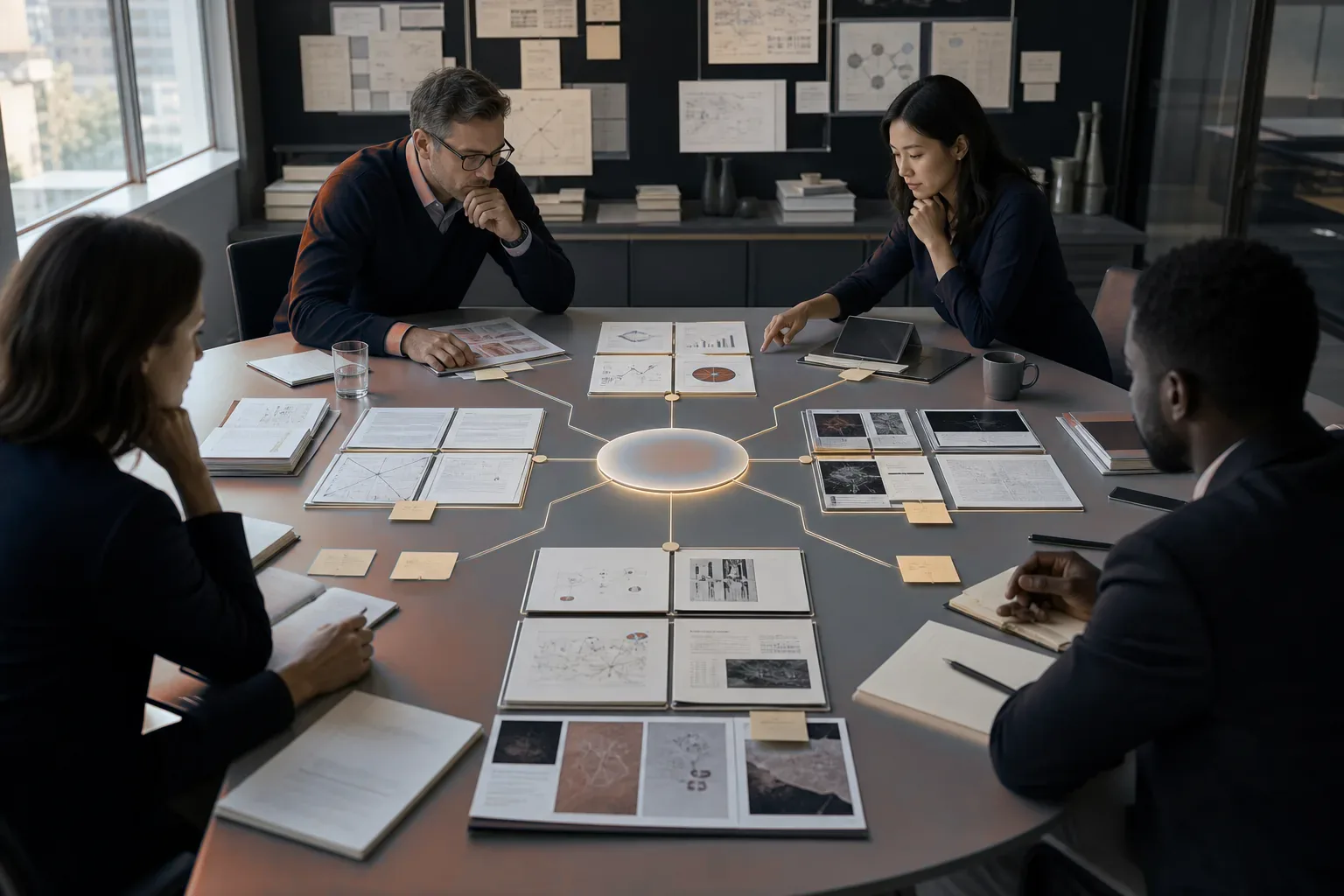
One research method produces comparable answers across companies and periods
A locked research method, managed factor lifecycle and deterministic aggregation made comparisons more consistent and reviewable.
The same defined method can be applied across companies, factors and periods, with peer comparison and backtesting combined through explicit rules.

Reports come from completed evidence, not fresh model opinions
A bounded reporting layer turns completed, source-backed research results into a report without introducing a new finding during writing.
The reporting layer uses completed, source-backed results and cannot introduce a new finding during the writing step.

A replayable research trail turns review into a controlled process
A persistent execution record made research review less dependent on analyst memory and scattered working files.
Reviewers can return to the research execution and inspect the objective, method, sources, evidence and caveats behind the result.

Project teams stop losing the next action in project email
Project-aware email connected correspondence to ownership, open actions and the schedule or cost consequence that followed.
Project teams can connect correspondence to the project, owner, dependency and next action instead of reconstructing the chain from separate inboxes.

The next project starts with the right local knowledge, not a blank folder
A structured knowledge system lets new construction teams reuse relevant local requirements, decisions and evidence with source and date visible.
City A, Project X can provide a source-backed starting point for City A, Project Y without treating earlier work as current approval.

RAG turns past project evidence into a source-backed starting point
Retrieval-augmented generation finds relevant construction documents first, keeping the source project and context visible to the next team.
RAG retrieves relevant source documents before answering a project question, so earlier work can be reused without hiding its context.

Construction leaders stop paying twice for the same expertise
A structure-led knowledge system connected projects, people, decisions and evidence so experience could move across the company.
Relevant experience can be found through the project and work package where it was created instead of relying on one person's memory.

A weather delay becomes visible cost before it becomes a revenue leak
Weather and disruption records connected project delays to affected work, dependencies, rental, labour exposure and extra charges.
A disruption can be connected to the work it affected and the equipment, labour and commercial records that followed.

Project leaders can show what caused the delay and what should be charged
A connected project record tied disruption, schedule, cost and source correspondence into a factual basis for commercial discussions.
Project leaders can follow the sequence from delay cause to affected work and related cost records before discussing extensions or variations.

A construction company recovers 10%+ of revenue lost to project gaps
Project knowledge, delay and commercial controls helped reduce revenue leakage by at least the equivalent of 10% of annualised revenue projection after implementation.
After implementation, recovered revenue was at least equivalent to 10% of annualised revenue projection, subject to confirmation of the measurement basis.

HR can place the right construction experience where the next project needs it
A structure-led knowledge system connected people to projects, work packages, decisions and evidence for company-wide knowledge transfer.
HR and delivery teams can find relevant experience through the project and work package where it was created.

Accountants cut 80% of manual client-work handling with a CRM-first workflow
A CRM connected the client mailbox to the accounting platform, reducing records chasing and preparation work while keeping accountant review in control.
Manual client-work handling was reduced by 80% in a workflow where about 99% of supporting evidence arrived through the client mailbox, subject to measurement sign-off.