 Kuulo
KuuloA CRM changes shape as the customer's workflow grows
Custom objects and fields let customers mould a live CRM around changing work without losing structured search, permissions or automation.
Value delivered
Customers can add the objects, fields and relationships their workflow requires while continuing to use one structured CRM workspace.
A CRM should change with the business, not force the business to change around it.
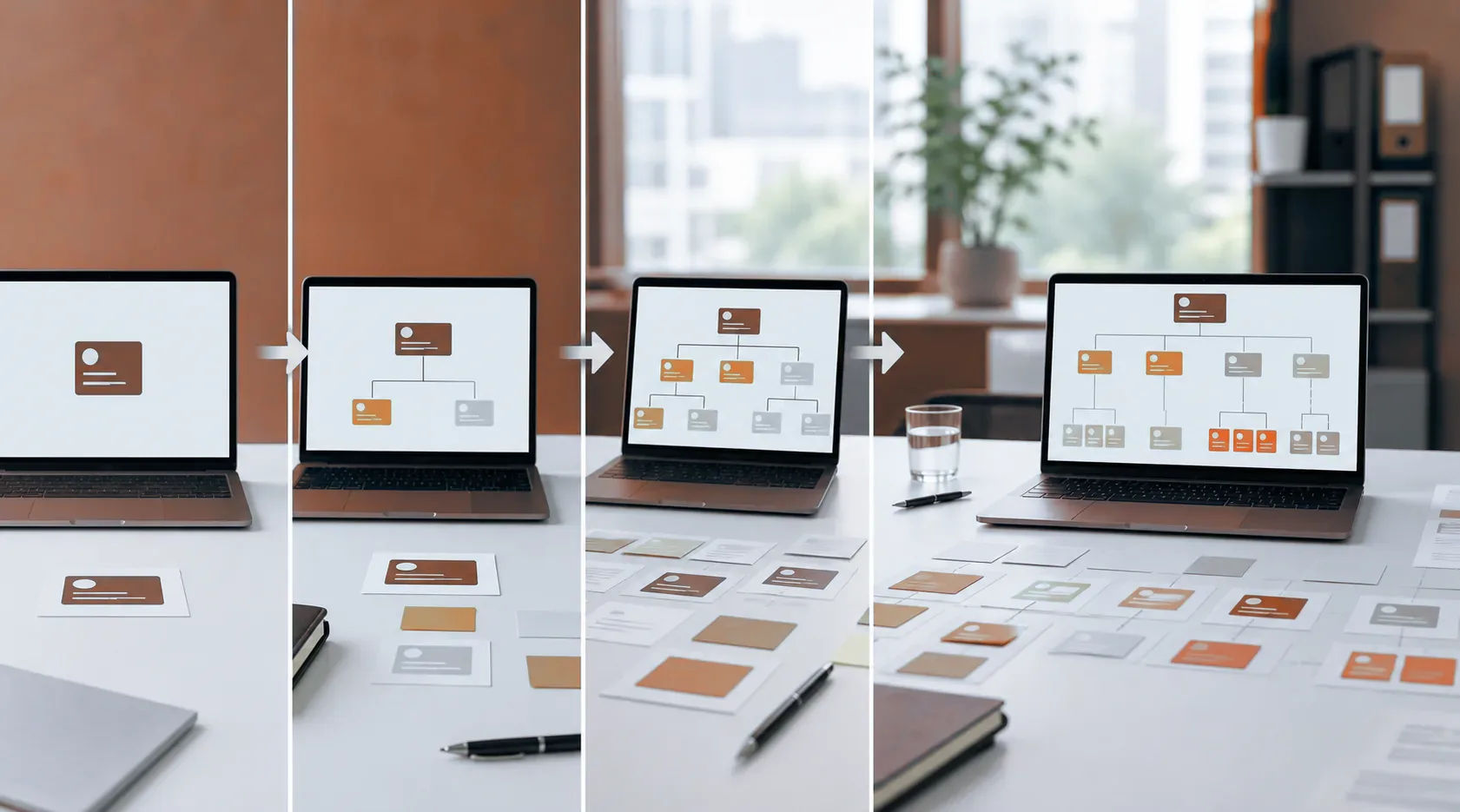
Early in a company's life, a contact list and a few stages may be enough. As the operation grows, the same team may need applications, accounts, renewals, partners, cases, projects or service requests. A rigid CRM turns that growth into workarounds. People keep side spreadsheets, rename fields, store context in email and gradually stop trusting the system.
We delivered a CRM that customers can mould around the way they actually work. Custom objects and fields let each business represent its own records and relationships while keeping the structure needed for search, permissions and automation. The outcome is a system people can keep using as the workflow changes.
Client background
Our client is a listed business software group whose CRM serves thousands of small and medium businesses every working day. The platform is used by businesses with different products, teams and customer journeys. It has to provide a reliable common foundation without making every customer operate identically.
This is a product adoption problem as much as a data-model problem. A CRM can be technically powerful and still fail if users have to translate their work into a shape that does not make sense to them. Continued use depends on whether the system remains useful after the first implementation.
Business challenge
Customers were trying to put varied workflows into tools that expected a standard sales process. That mismatch creates familiar symptoms:
- an important record is stored as a note because there is no suitable object;
- a field is overloaded to mean different things for different teams;
- the real relationship lives in a spreadsheet;
- the CRM shows a clean pipeline but not the work needed to move it;
- and a process change makes yesterday's automation misleading.
The cost is not just messy data. It is weaker handover, slower decisions and a growing belief that the CRM is for reporting after the work rather than for doing the work. The client needed flexibility that ordinary users could use without turning every customer workspace into an ungoverned custom application.
Implementation
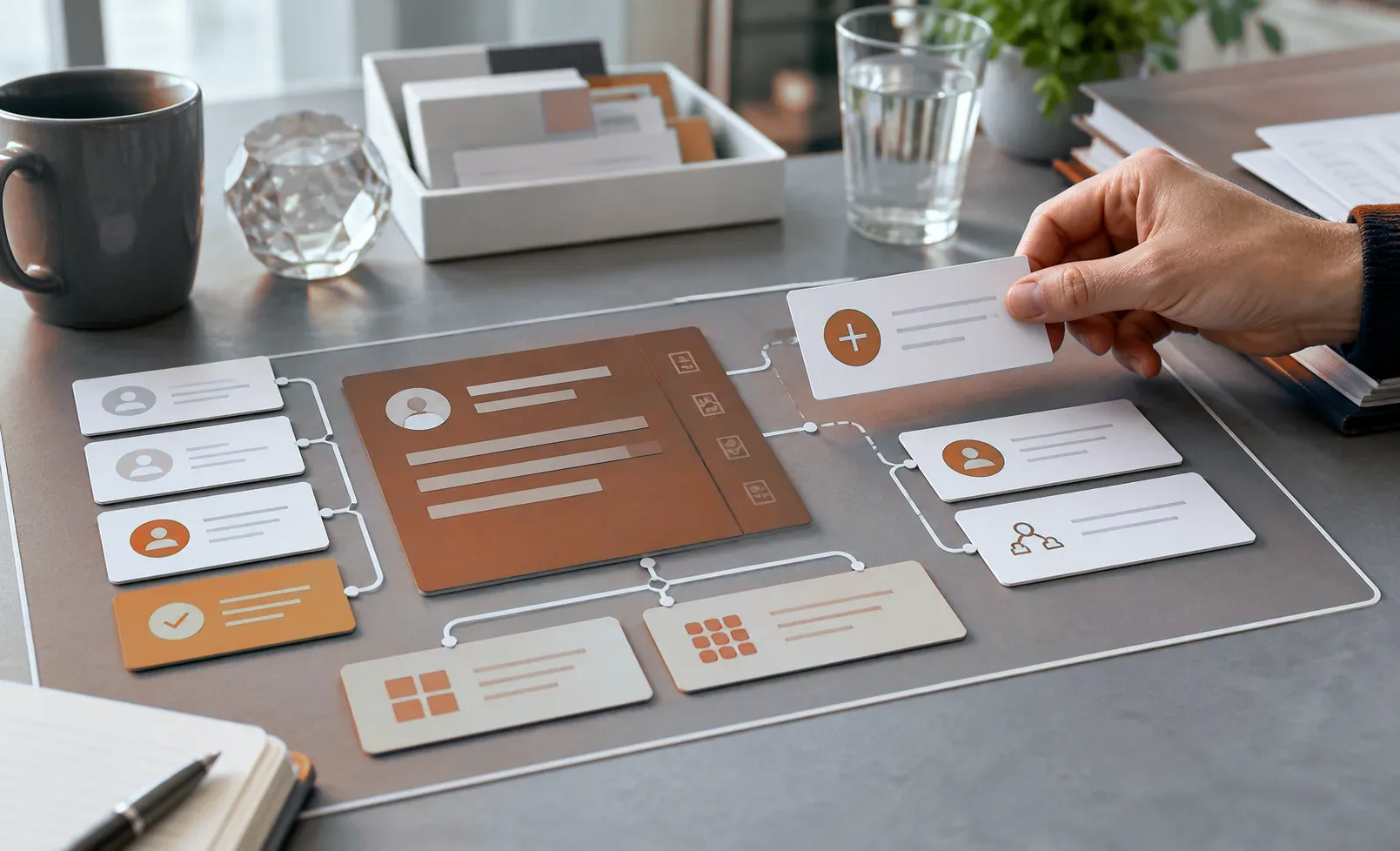
The platform introduced custom objects and fields as part of the core CRM model. A customer can represent the things its team actually manages, connect those records to people and accounts, and define the fields that make a record useful in its own context.
That flexibility is connected to the rest of the product. Mailbox synchronisation can attach live correspondence to the relevant record. Search and plain-language questions can use the structured relationships. Automation can create a task or update a record using the customer's model. Access through the Model Context Protocol (MCP) can expose governed CRM context to connected workflows.
The common foundation still matters. Workspaces remain separate, permissions remain meaningful and the platform can support reporting without asking every customer to build its own data architecture. The system can therefore be flexible at the customer level while remaining operable as a product for thousands of businesses.
The implementation also treats change as normal. A new object or field is not an excuse to copy the whole process into another tool. It becomes part of the same customer workspace, where the team can find the correspondence, next action and history connected to it.
Why it was difficult
There is a real tension between flexibility and structure. Too little flexibility makes the CRM irrelevant. Too much flexibility produces inconsistent records that cannot be searched or governed. The product had to give customers room to model their work while preserving the boundaries that make automation and reporting dependable.
The second challenge was adoption. The system had to fit the working day, not ask every user to become a database administrator. Customisation only creates value when the person doing the work can understand the record, find the next action and trust what the CRM shows.

Value delivered
- Customers can add the objects and fields their real workflow requires.
- Email, customer context and next actions remain connected to the customer's model.
- Process changes can be represented inside the CRM instead of creating another side system.
- Automation and connected tools can use the same structured records.
- Customer workspaces stay separate while the product supports a growing user base.
- Continued use is supported by fit: the CRM can adapt as a business changes.
The important result is not an infinite list of configuration options. It is a CRM that stays close to the work. When the business adds a new service, customer type or handoff, the system has somewhere meaningful to put it and a way to connect it to the people and actions that follow.
What this means for your business
If your teams have built a second CRM in spreadsheets because the first one cannot represent the work, the answer is not always more training. The underlying model may be too rigid. A flexible, structured system can make the real workflow visible without sacrificing permissions, search or reliable automation.
This applies to client matters, lending applications, recruitment processes, insurance cases and service operations. The durable advantage is a system that changes shape with the business while keeping the information usable for everyone who needs it.
Related: Platform engineering · CRM engineering · Fintech scale-ups