 Kuulo
KuuloHospitals receive interpretation notes in the chart, not a separate inbox
A structured healthcare integration moved interpretation notes from a separate service into the patient record used by hospital care teams.
Value delivered
Interpretation notes can be written into the patient's record through an integration piloted across five hospital systems.
An interpretation note is not useful to the care team if it is left in a separate inbox.
The language-services provider already had a working interpretation platform. The hospital already had a patient record. The missing piece was the path between them. Without it, the session happened in one system while the clinical record remained incomplete in another.
We built a structured integration that writes the interpretation session note into the patient's record. The care team can find the information in the chart it already uses, without asking the language-services provider to replace its core workflow.
Client background
Our client is a language-services provider supporting hospital interactions with professional human interpreters. Its existing platform manages interpretation sessions and the information produced by them.
The hospitals receiving the service use a patient record as the working source for the encounter. A note that remains outside that record creates a gap for every person who needs to understand what happened later.
Business challenge
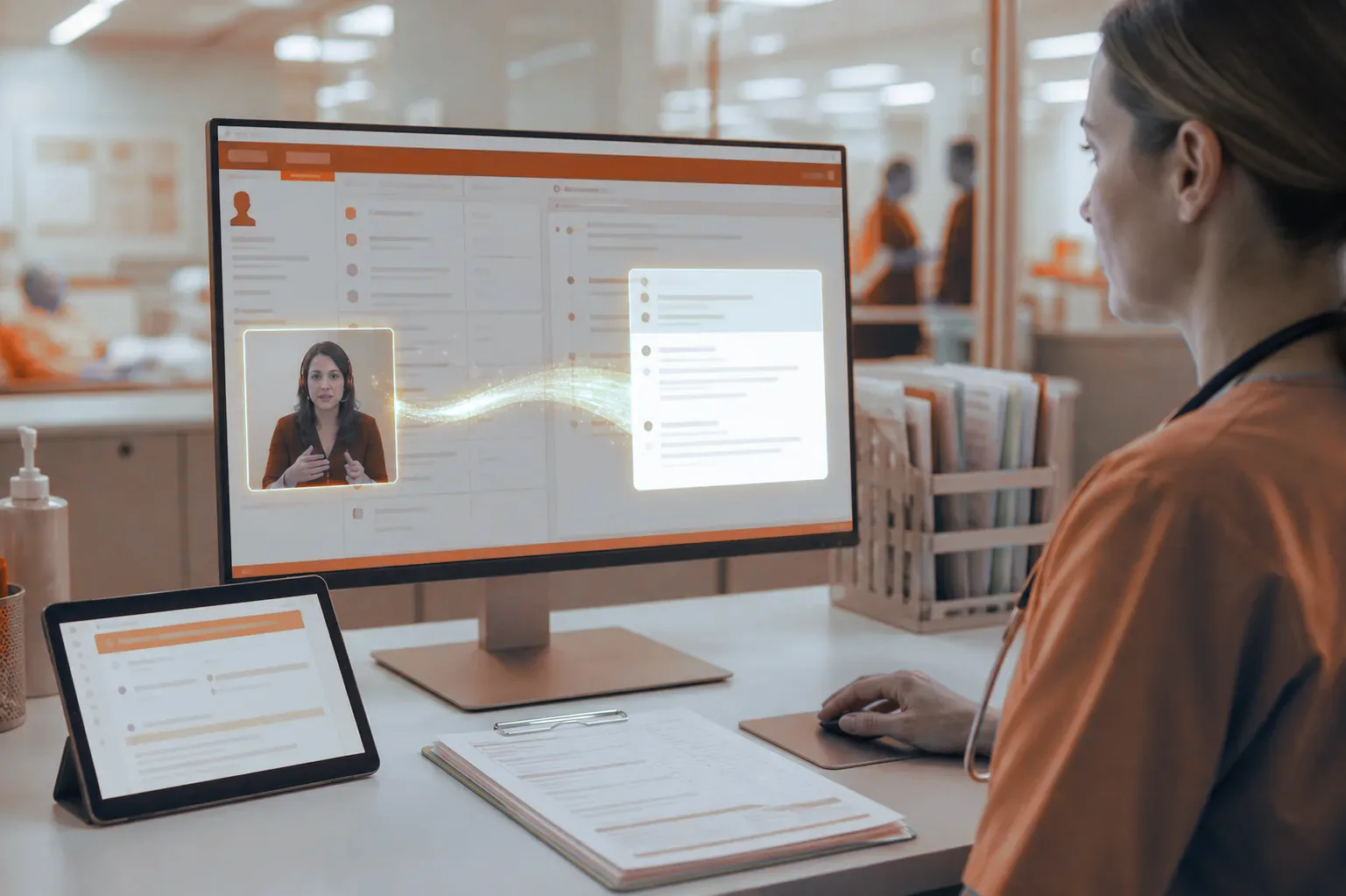
The old handoff stopped at the interpretation platform. A session note could exist, but the care team could not rely on finding it beside the patient's other information. The practical consequences were familiar:
- the clinician had to search another system;
- the note could arrive later than the encounter;
- a coordinator had to recreate or forward the information;
- and the patient record did not show the full context of the interaction.
The problem was not a lack of data. It was that the data had not crossed the boundary into the system where it had to be used.
The provider needed an integration that respected the hospital environment and worked with the platform it already operated. Replacing the interpretation workflow would have created a larger project and would not by itself guarantee that the note reached the chart.
Implementation
We used FHIR, a standard for exchanging structured healthcare records, to connect the interpretation workflow with the hospital patient record. The integration submits the session note so it can be stored with the patient's chart and retrieved by the care team through its normal workflow.
The work was piloted across five hospital systems. Each site had to be treated as a real operating environment with its own technical boundaries, permissions and review process. The first reviewable milestone arrived inside six weeks, allowing the teams to inspect the path from session to chart before the full pilot was complete.
The client's existing interpretation platform stayed in place. The integration added a route into the hospital record instead of creating another replacement programme. That made the change easier to understand for both sides: the provider continued to run the service, and the hospital gained the information where its team already worked.
The note is transferred as information, not as an automatic clinical conclusion. The care team can read it in the chart and apply its own professional judgement to the encounter.
Why it was difficult
Healthcare systems are deliberately controlled. The integration had to handle sensitive information without treating the patient record like an open web application. Identity, permissions, format and the receiving hospital's process all mattered.
The integration also had to be useful to people who did not care how it was built. A FHIR connection is only successful when the care team can find and understand the note at the point where it needs it. The technical implementation therefore served a simple operational result: fewer separate places to search for the story of the encounter.
Across a multi-site pilot, the same principle has to hold even when the receiving environments differ. The first reviewable milestone gave the client a way to test that the workflow was not merely working in a controlled demonstration.
Value delivered
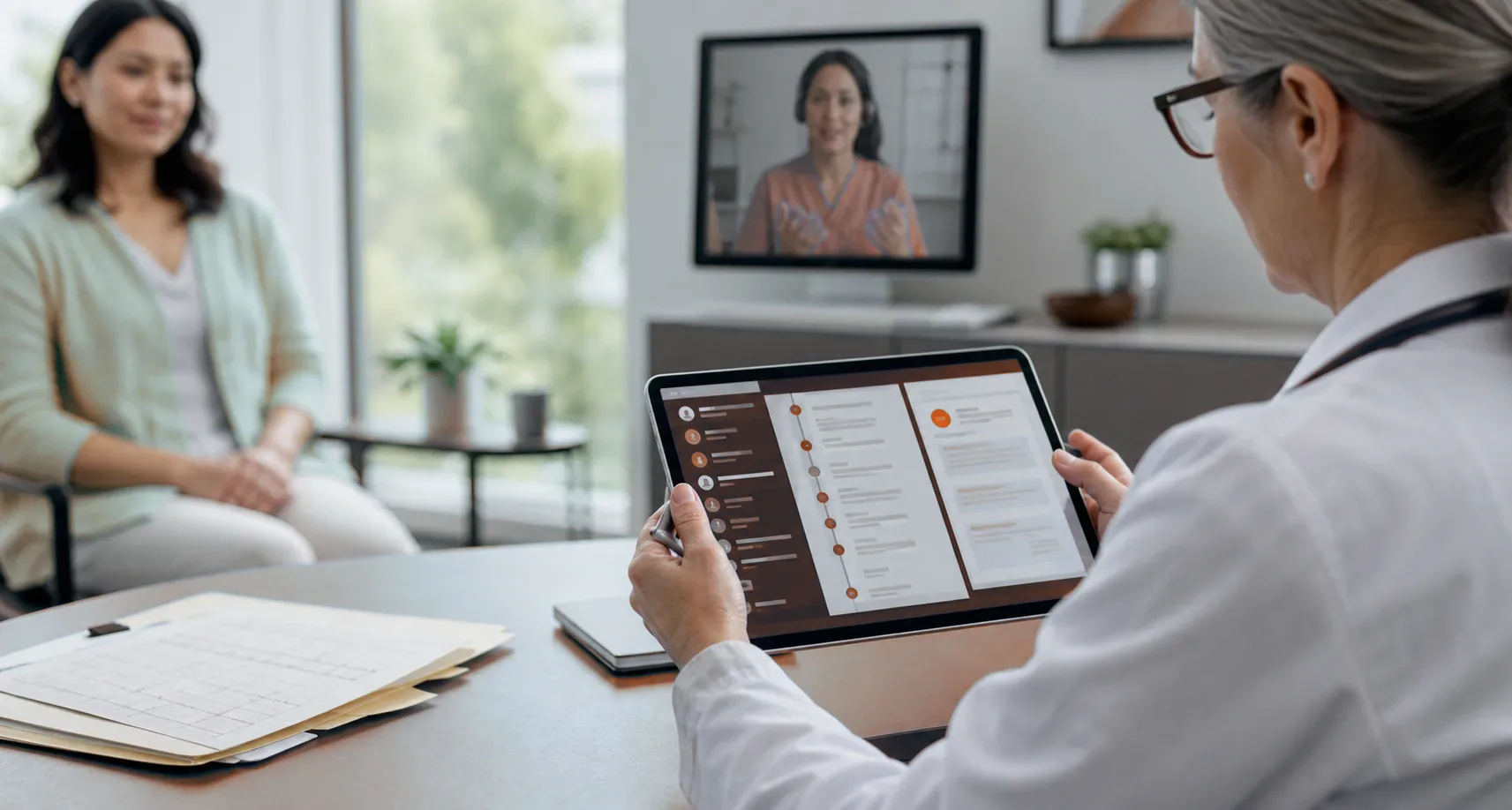
- Interpretation notes can be written into the patient's record.
- The care team can find the note where it already works, rather than in a separate interpretation inbox.
- The existing interpretation platform remains in place.
- The first reviewable milestone arrived inside six weeks.
- The integration was piloted across five hospital systems.
- The output becomes part of the encounter's record without replacing the professional judgement of the care team.
The result is a complete record of the interaction. The provider's service no longer ends when the call ends. Its information can continue into the workflow that carries the patient's care.
What this means for your business
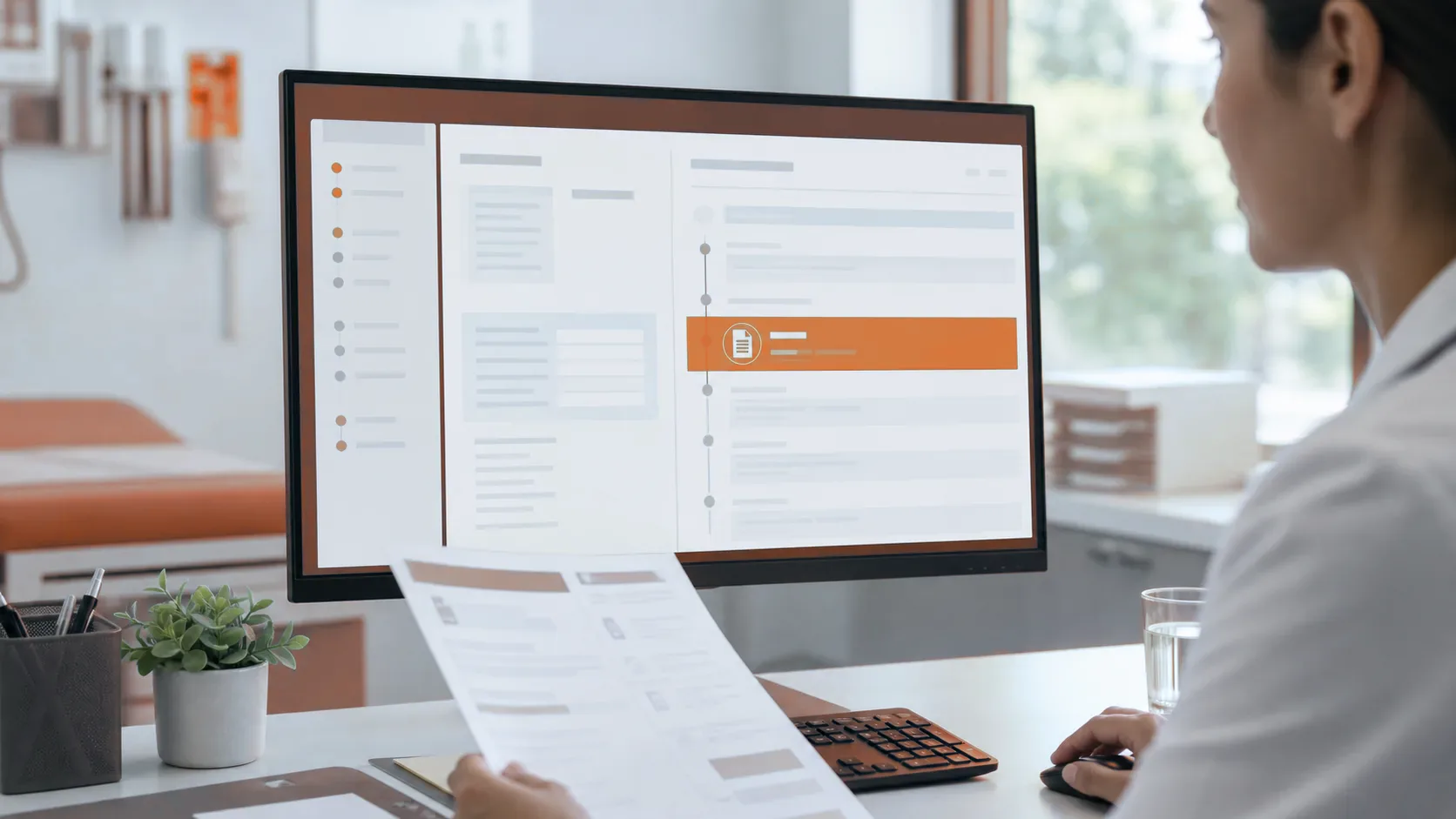
When a core system is closed, the question is not always “can we replace it?” Often it is “which important output is stranded outside it?”
Connect that output to the system of record, preserve the source and make the human review clear. A policy decision, legal note, finance assessment or property inspection has the same commercial value when the people who need it can find it without leaving their normal workflow.
Related: Systems integration · Patient records · Digital health and NHS suppliers