 Kuulo
KuuloEvery interpretation call carries the record needed for billing and control
Call logging connected interpretation delivery to device context, operational follow-up and invoicing support.
Value delivered
Call records support operational control and invoicing across an interpretation service handling hundreds of calls a day.
An interpretation call is not complete for the provider when the conversation ends.
The service team still needs to know what happened, the operations team needs a record of delivery and finance needs the information required for invoicing. When those handoffs are separate, the provider has to reconcile the call after the fact. That creates avoidable work and opportunities for missed or disputed charges.
We connected call logging, account and device context and invoicing support into the interpretation service. The record of the call can now support both operational control and the billing process. The result is a more complete path from patient request to delivered interpretation to commercial record.
Client background
Our client is a US healthcare interpretation provider serving hospital environments in more than fifty languages and handling hundreds of interpreted calls a day. Professional human interpreters deliver the service through an existing video workflow.
The provider's challenge was not a lack of demand. It was the gap between a call taking place and the organisation being able to manage, verify and invoice that call without a separate reconstruction.
Business challenge
Service delivery and commercial control often use different sources. A call may be visible to the interpreter, a device state may be visible to an administrator and an invoice may be built from a manual report. Each record describes part of the same event, but no one view connects them.
That fragmentation makes ordinary operational questions harder than they should be:
- Was the call connected to the right account?
- Which device and service context delivered it?
- Did the requested interpretation take place?
- Is the call included in the operational record?
- Does finance have the information needed to invoice it?
For a live healthcare service, the answer also has to support reliability. If a call fails, the provider needs a clear record for follow-up. If it succeeds, the organisation needs a reliable way to recognise that the service was delivered.
Implementation
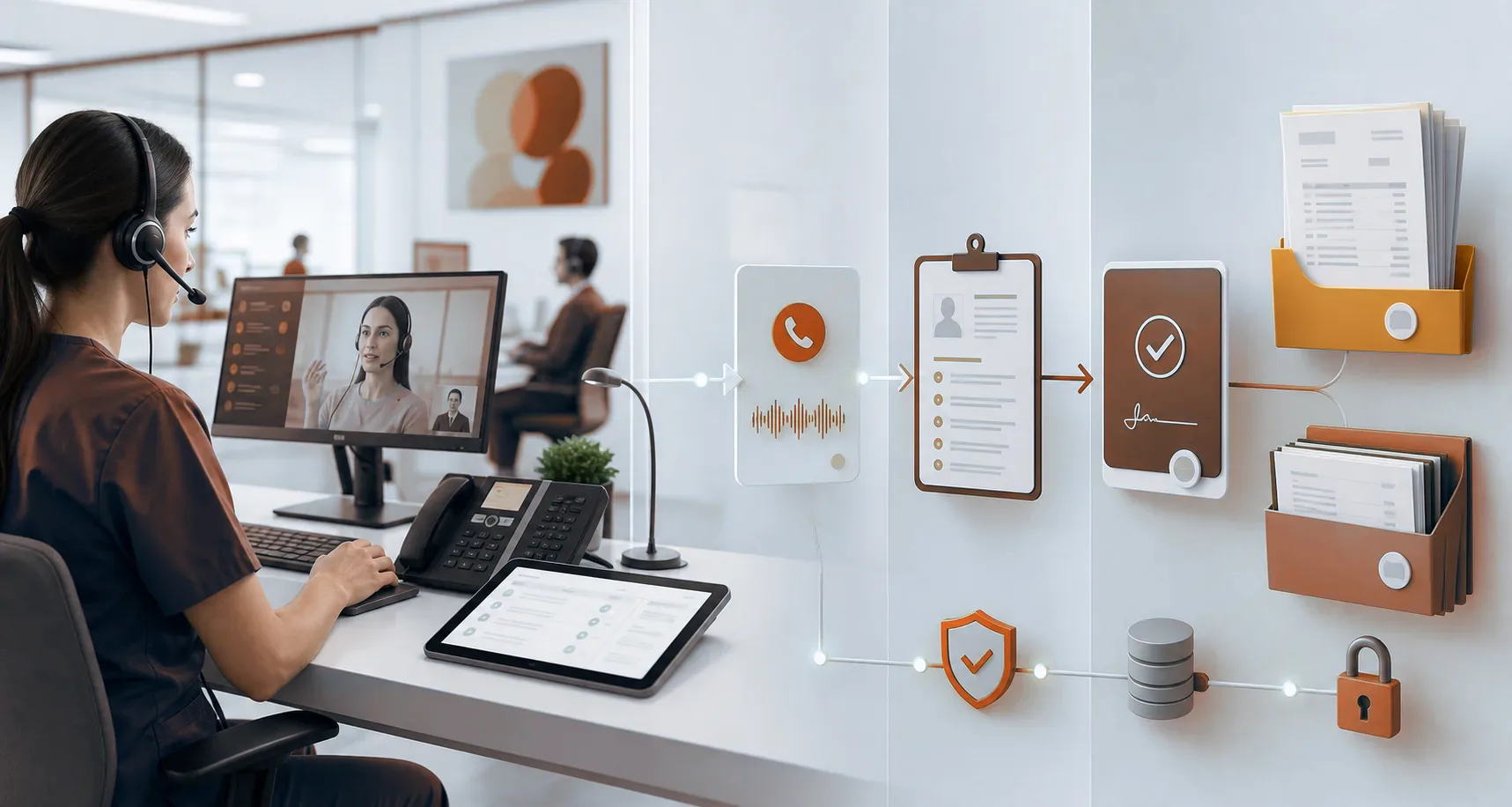
We added call logging to the same operating layer that manages accounts, permissions and devices. The call record can retain the context needed by service operations, including the relationship between the interaction and the endpoint that supported it.
That record supports the invoicing workflow. Instead of asking finance to reconcile disconnected notes, the provider can use the operational record as the starting point for billing control. The workflow does not make commercial judgement disappear. It makes the evidence for that judgement available in the place where the service is managed.
The administration portal also gives the provider a way to govern device and account state across the distributed operation. This matters because billing accuracy depends on identifying the service event correctly, while service reliability depends on keeping the endpoint and permissions correct.
The existing video interpretation workflow remains in place. The delivered layer supports the provider's operation across more than fifty languages and hundreds of calls a day without naming or replacing the underlying call platform.
Why it was difficult
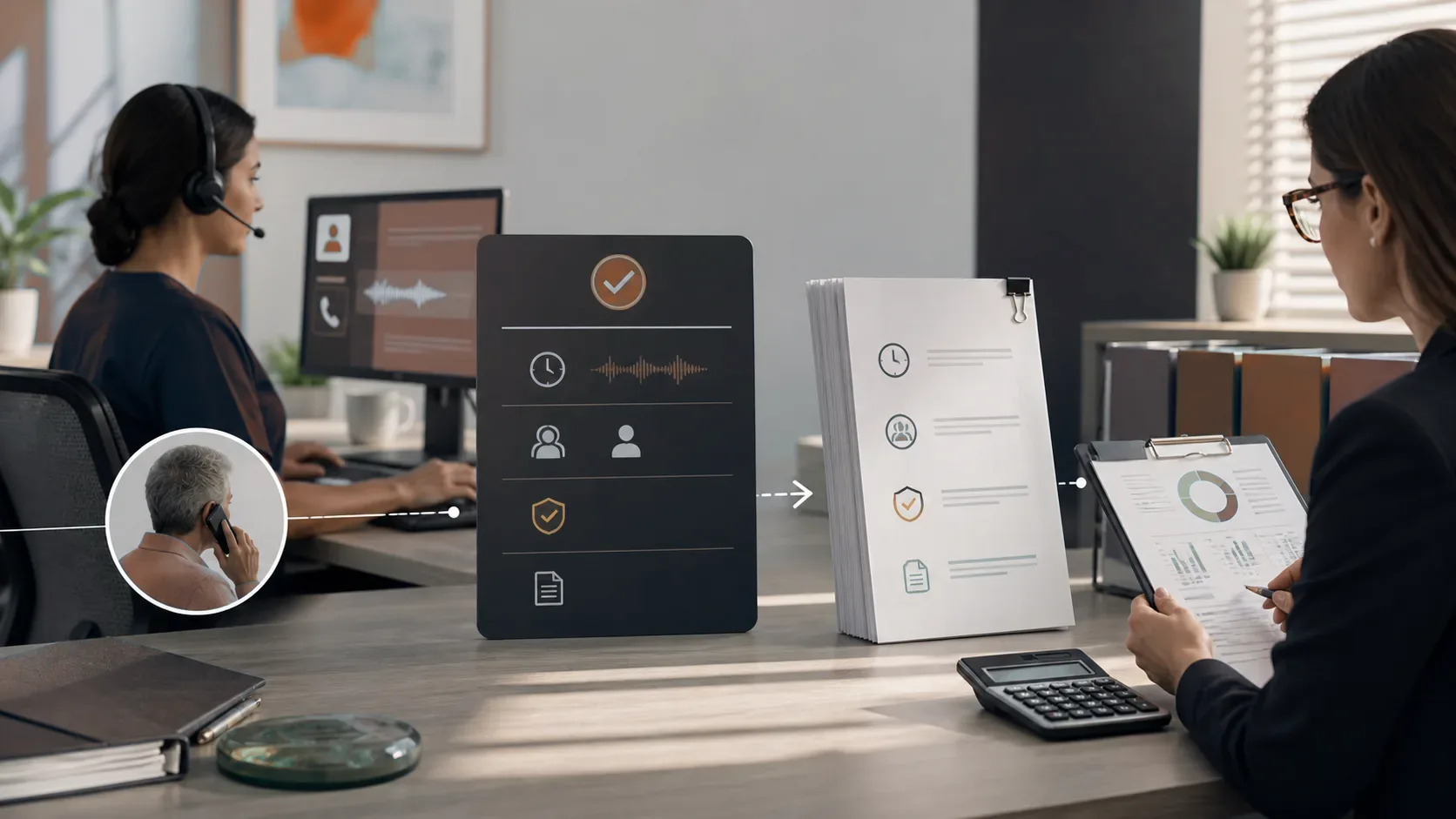
The record needed to be useful to more than one team. An operations manager needs enough detail to understand the call. A device administrator needs endpoint context. Finance needs a dependable basis for invoicing. The same event has to remain recognisable as it moves between those responsibilities.
The service also operates under a strict no-downtime requirement. A billing record cannot be treated as an afterthought when the same operational controls help the provider understand whether a patient could access interpretation in the first place.
Value delivered
- Call history is connected to the operational service that delivered it.
- Administrators can see device and account context alongside the interpretation workflow.
- The call record supports invoicing and commercial control.
- Service operations have a clearer basis for investigating failed or incomplete interactions.
- Professional human interpreters remain central to the service.
- The provider continues to support more than fifty languages and hundreds of interpreted calls a day.
- The existing video workflow remains in place while the surrounding operation becomes more structured.
The value is a complete operational record. The provider can manage the call, understand its context and carry the evidence into billing without treating those as three unrelated processes.

What this means for your business
If a delivered service has to be manually reconstructed before it can be invoiced, the missing capability is often not another finance feature. It is a shared record that connects the operational event to the customer, endpoint, owner and commercial outcome.
That pattern applies to field service, professional services, legal work, managed access and any business where the proof of delivery must travel cleanly from operations to finance.
Related: Systems integration · Workflow automation · Healthcare language services